
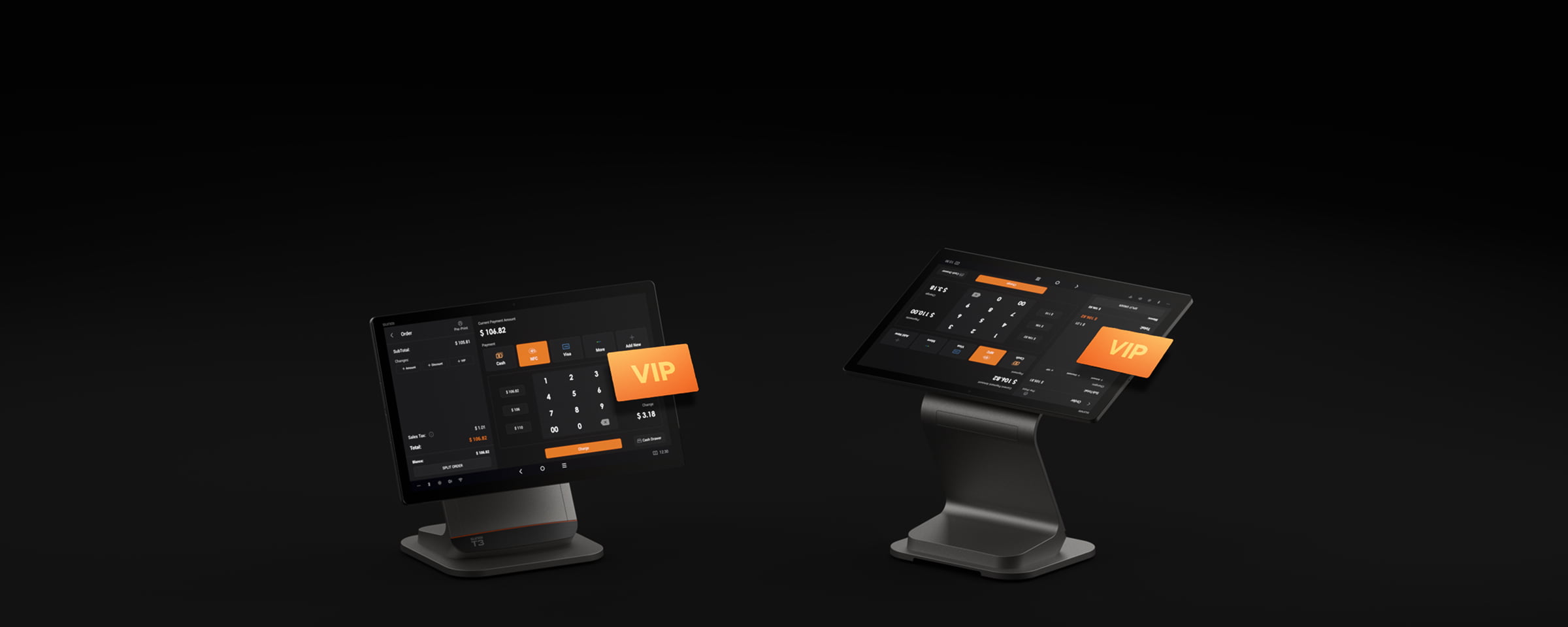
The restaurant and retail technology market is split between two fundamentally different approaches: open Android hardware platforms and locked proprietary ecosystems. This choice affects everything from upfront costs and software flexibility to long-term vendor dependency and scalability.
This guide explains what each model means in practice, the real-world trade-offs, and how to decide which approach fits your business.
What is an open Android POS platform
An open Android POS platform uses standard, Google-certified Android hardware. The device runs any compatible POS application, connects to any payment processor, and integrates with third-party software through standard APIs.
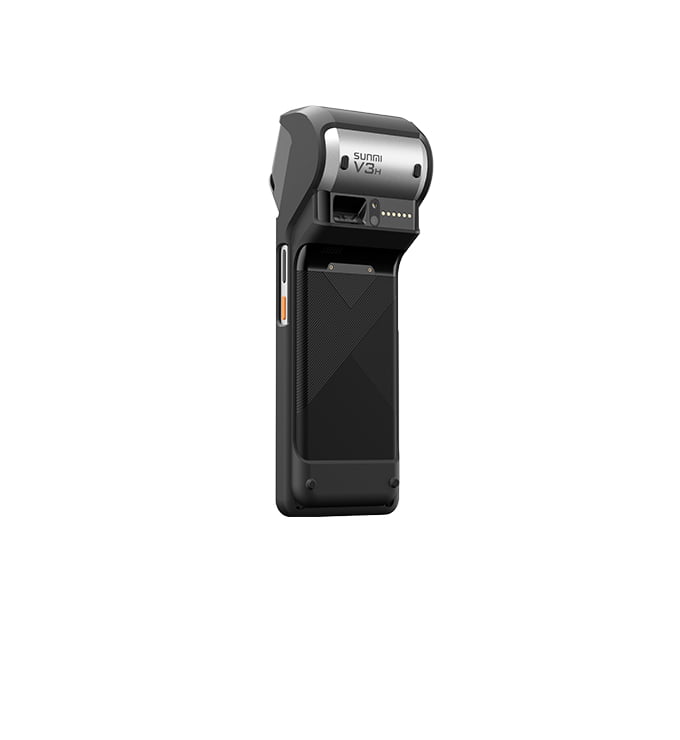
SUNMI is one of the leading manufacturers of commercial-grade Android smart terminals, offering devices ranging from desktop terminals to handheld payment devices and self-ordering kiosks. All run certified Android with full SDK access for developers.
What is a locked POS ecosystem
A locked ecosystem bundles proprietary hardware, software, and payment processing into a single package from one vendor. You buy (or lease) the hardware, subscribe to the software, and process payments through the vendor’s payment service. Everything is tightly integrated, but you cannot substitute individual components.
These systems prioritize simplicity for the operator at the cost of flexibility and long-term value.
Key differences that matter
Software choice
Open Android: You choose from hundreds of POS applications available on Google Play or directly from software vendors. If your current POS software does not meet your needs, you can switch to a different provider without replacing hardware. ISV partners can also build custom applications.
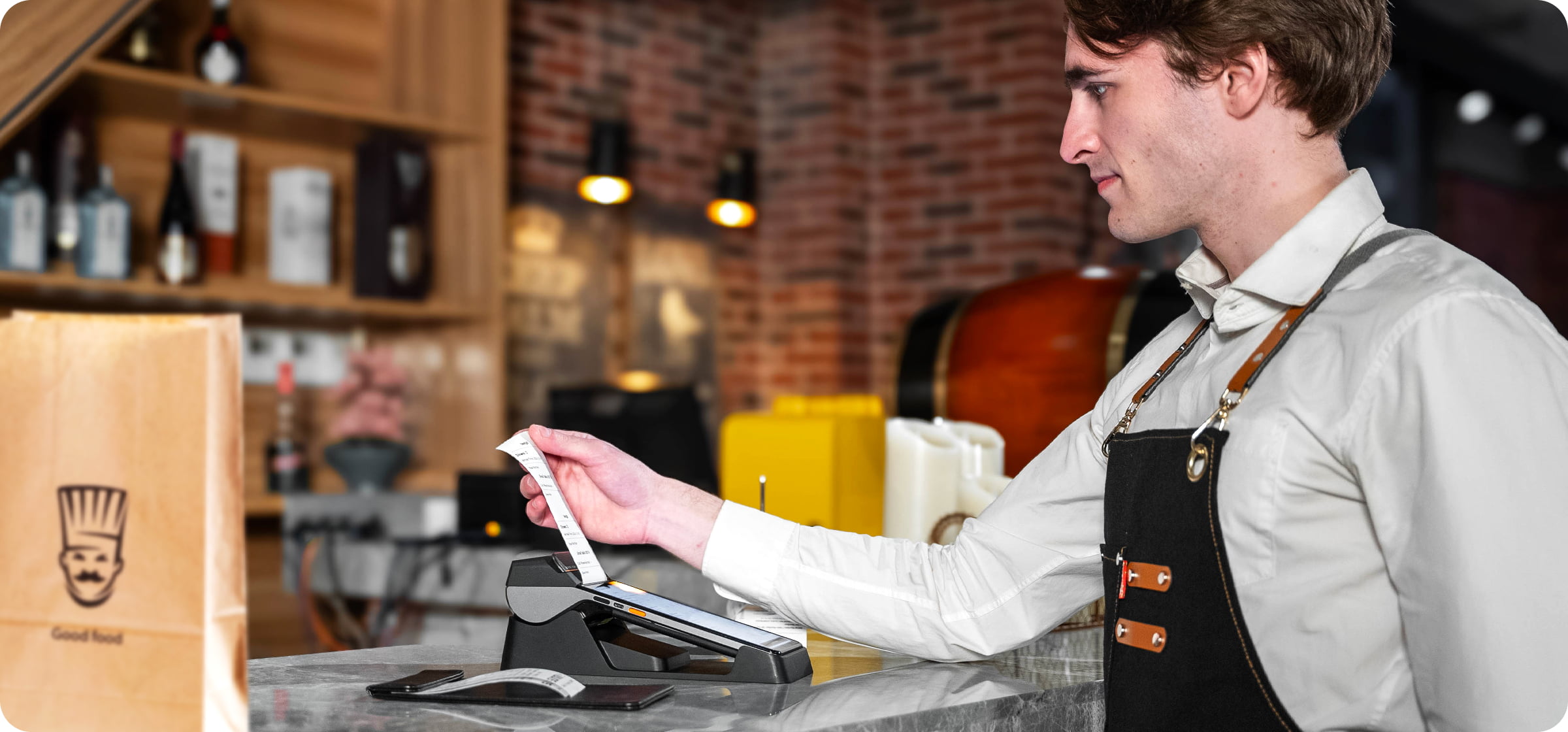
Locked ecosystem: You use the vendor’s POS software exclusively. Features, updates, and pricing are controlled by a single company. If the software lacks a feature you need, your only option is to request it and wait.
Payment processing
Open Android: You negotiate payment processing rates independently with any US processor. This competitive leverage typically results in lower transaction fees, especially for high-volume businesses.
Locked ecosystem: Payment processing is bundled. Rates are set by the vendor and are often higher than market rates for equivalent transaction volumes. Switching processors usually requires switching your entire POS system.
Hardware costs
Open Android: Commercial-grade Android terminals typically cost 30 to 60 percent less than equivalent proprietary hardware. SUNMI devices include a 3-year manufacturer warranty (SUNMI Care).
Locked ecosystem: Hardware is often marked up because it only works with the vendor’s software. Some vendors lease hardware, which can cost more over time than purchasing outright.
Data ownership and portability
Open Android: Your data lives in whatever POS software you choose. Most modern POS applications offer data export and API access, giving you control over your business data.
Locked ecosystem: Your data is stored in the vendor’s proprietary system. Migrating away means exporting data (if possible) and reconfiguring everything from scratch. This creates significant switching costs that lock you in.
Scalability
Open Android: Add terminals as needed from any authorized distributor. Mix different form factors (desktop, handheld, kiosk) across locations while using the same software and device management platform.
Locked ecosystem: Adding terminals means buying more proprietary hardware and adding software subscriptions. Multi-location expansion multiplies costs linearly with no volume leverage on hardware pricing.
Who should choose open Android
Open Android POS hardware makes the most sense for:
Multi-location businesses that need cost-effective scaling and consistent device management across sites. ISVs and technology companies that want to deploy their own software on reliable commercial hardware. Cost-conscious operators who want to negotiate their own payment processing rates. Growing businesses that may need to change software, processors, or workflows as they evolve.
Who might prefer a locked ecosystem
Locked ecosystems can work for very small, single-location businesses that value simplicity above all else and do not expect to scale, negotiate processing rates, or change software providers. The convenience of one vendor handling everything has real value for operators who have no technical staff and minimal technology needs.
Making the switch
If you are currently on a locked ecosystem and considering open Android hardware, the transition is more manageable than most operators expect. Key steps include choosing a POS software provider that supports data migration, ordering evaluation hardware to test your workflow, and running both systems in parallel during a brief transition period.
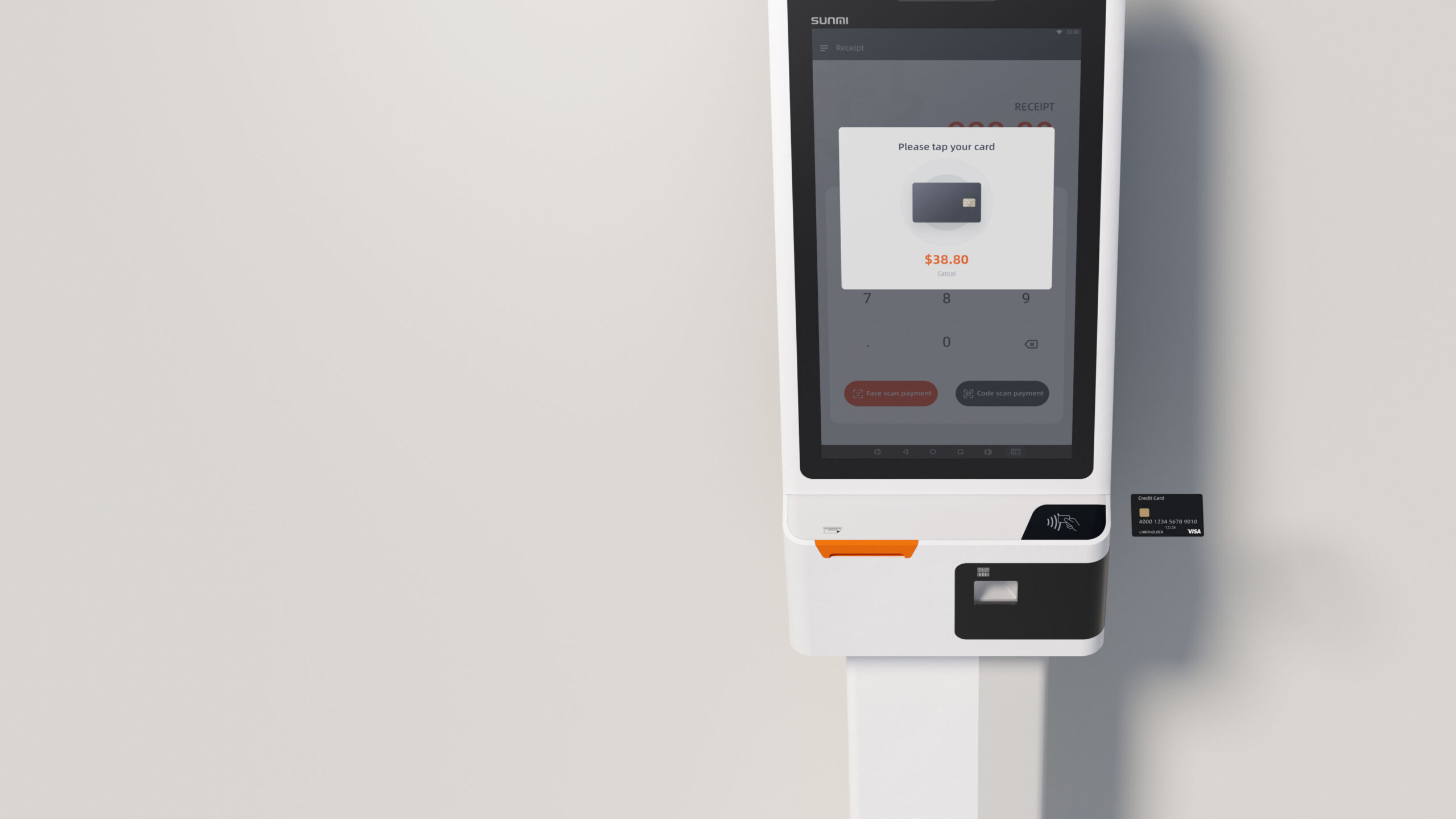
Rosper is an authorized SUNMI distributor with 8 warehouses across the US and Canada, stocking SUNMI’s full range of Android smart terminals. Most orders arrive in 2–7 business days. Rosper assists with warranty claims, and every device includes SUNMI’s 3-year warranty. If you are exploring the switch from a locked ecosystem to open Android, requesting a quote is a practical first step to compare costs.
Frequently asked questions
What does “open Android POS” mean?
Open Android POS refers to commercial-grade hardware running standard, Google-certified Android OS. Unlike locked ecosystems, open Android devices let you install any compatible POS application and connect to any payment processor.
Can I switch POS software without replacing hardware?
Yes. On an open Android terminal, switching POS software is as simple as installing a new application. Your hardware investment is protected regardless of what software you use.
Are open Android terminals secure enough for payment processing?
Yes. Google-certified Android devices receive regular security patches. Commercial SUNMI terminals include hardware security features like secure elements for payment data encryption. PCI compliance is maintained through the combination of device hardware, software, and processor security measures.
How much can I save by switching from a locked system to open Android?
Savings vary based on your current system, but businesses typically save 40 to 70 percent on total cost of ownership over 3 years. The biggest savings come from lower hardware costs, eliminated software markups, and competitive payment processing rates.
Do I lose features by choosing open Android over a locked system?
No. The Android POS ecosystem offers feature parity with locked systems for virtually every use case. Many operators find they gain features because they can choose specialized software for their specific industry vertical rather than using a one-size-fits-all solution.
Is open Android hardware reliable for commercial use?
Commercial-grade Android terminals from manufacturers like SUNMI are built for demanding environments. They feature industrial-quality components, fan-less designs, and are tested for continuous operation. SUNMI devices carry a 3-year manufacturer warranty.