
Introduction: Why “Practical” Matters More Than “Advanced”
When restaurant owners look for mobile POS hardware for restuarant, they don’t want fancy tech. They need devices that work smoothly during busy times, when every second counts.
In real situations, speed and ease of use matter more than features. A flashy device can slow staff down during a lunch rush, complicating workflows.
That’s why “practical” is the main standard for evaluating mobile POS hardware for restaurants.
Practical mobile POS hardware for restaurant supports daily tasks instead of disrupting them. It fits seamlessly into how orders are taken, payments are processed, and staff move around.
When owners search for POS restuarant hardware, they want something easy to use and reliable.
What Is Mobile POS Hardware for Restaurant
Before choosing hardware, it’s key to understand what mobile POS machine means in a restaurant.
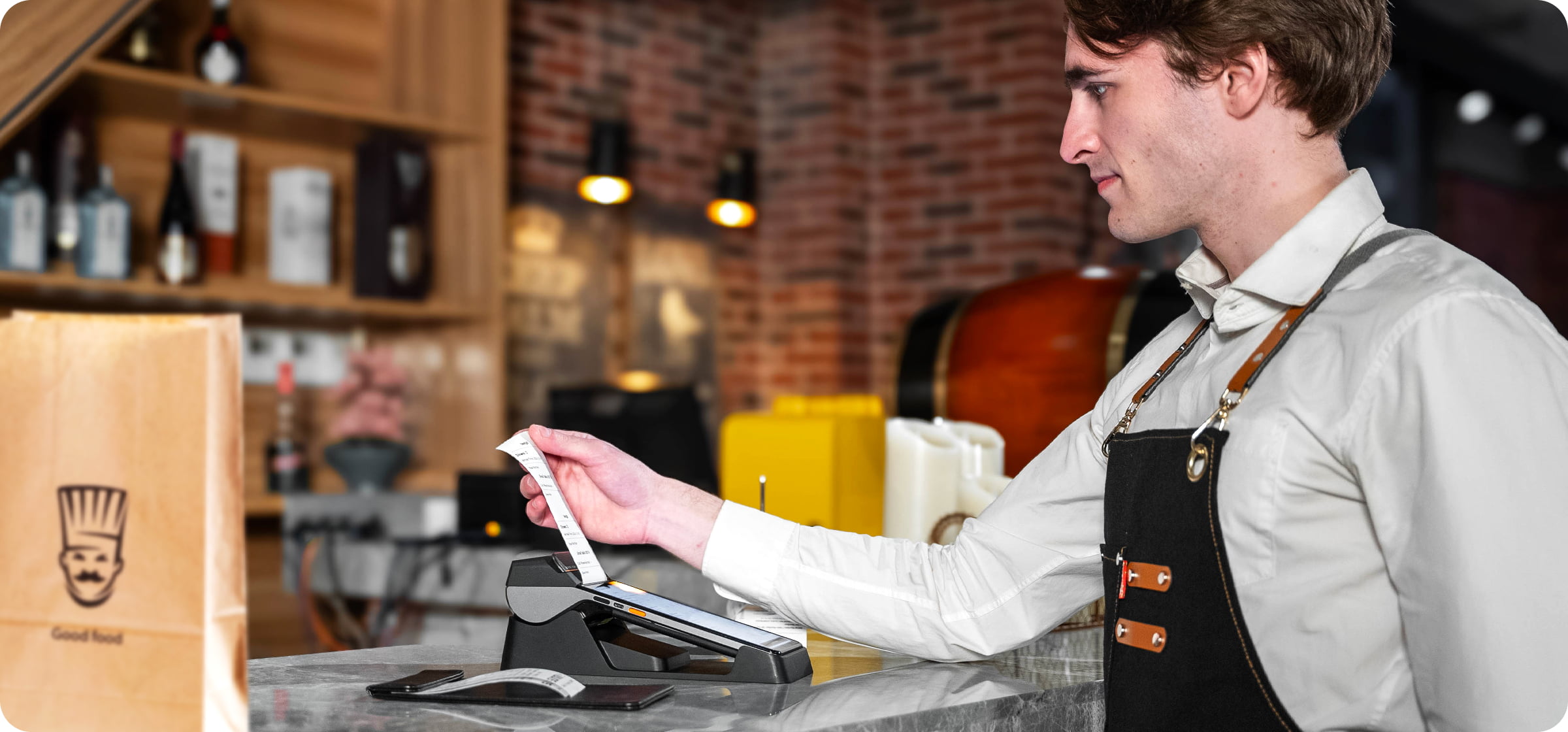
With handheld POS systems for restaurants , staff aren’t stuck at the counter. They can take orders and process payments anywhere—at tables or in line.
A well-designed mobile POS hardware for restaurant lets staff move freely while staying connected to the main POS system. This flexibility speeds up service. It reduces order mistakes and keeps customers happy, especially during busy hours.
What Makes Mobile POS Hardware Practical in Real Restaurants
When selecting POS restaurant hardware, test it during rush hours, not just in demos.
Practical mobile POS hardware for restuarant usually has several traits:
- Comfortable to hold during long shifts
- Can handle ordering, payment, scanning, and printing all in one
- Reliable performance without lag during peak times
- Built for commercial use, not just consumer tablets
- Adaptable to changing restaurant layouts or service models

These traits matter more than raw specs. Handheld POS systems for restaurants succeed by reducing friction, not adding steps.
Why Many Mobile POS Options Fail in Practice
Many mobile POS hardware solutions struggle in real restaurants.
Some use consumer tablets with extra accessories. Others need separate printers or scanners. Over time, these setups slow staff down and increase errors.
This is where purpose-built Android POS hardware becomes crucial. Unlike consumer devices, commercial Android POS hardware solutions are made to work in demanding settings.
For restaurant owners, understanding this difference helps avoid systems that look good in theory but flop under pressure.
Why Android-Based Mobile POS Hardware Is Common in Restaurants
Many modern mobile POS hardware for restaurants run on Android, and for good reason.
Android POS hardware offer more flexibility in hardware design and software integration. Android POS hardware supports various restaurant applications while staying stable.
For staff, Android interfaces are familiar and easy to use, which cuts training time. For operators, Android mobile POS devices allow better customization and easier links to management systems.
Using Real Mobile POS Devices to Understand What Works
Instead of asking, “Which single device should I buy?” restaurant owners gain more by looking at how mobile POS ecosystems are structured.
A practical mobile POS hardware for restaurants ecosystem has various device types optimized for different tasks—like tableside service or mobile payments.
Reviewing complete product lineups helps owners see how POS restaurant hardware can adapt as service needs change, rather than locking them into a single setup.
What Is SUNMI and Why It Is Often Referenced
Many restaurant owners ask: what is SUNMI, and why does it pop up often in mobile POS talks?
SUNMI is mentioned not due to a single device but because its lineup matches real restaurant workflows. Its mobile POS hardware for restaurant cases are based on how staff work—ordering, scanning, printing, and collecting payments on the move.
Because of this, SUNMI devices are often used as examples when evaluating handheld pos systems for restaurants.
How SUNMI’s Mobile POS Lineup Reflects Practical Needs
Looking at SUNMI’s mobile POS lineup helps restaurant owners understand how practical needs shape better hardware choices.
- For tableside ordering and quick payments
In table service environments, staff need devices that feel light and easy to hold. Long shifts make comfort important. This is why lighter handheld devices, such as those in the SUNMI P3 family, are often used for taking orders and processing payments on the move.

- For scanning and on-the-spot printing
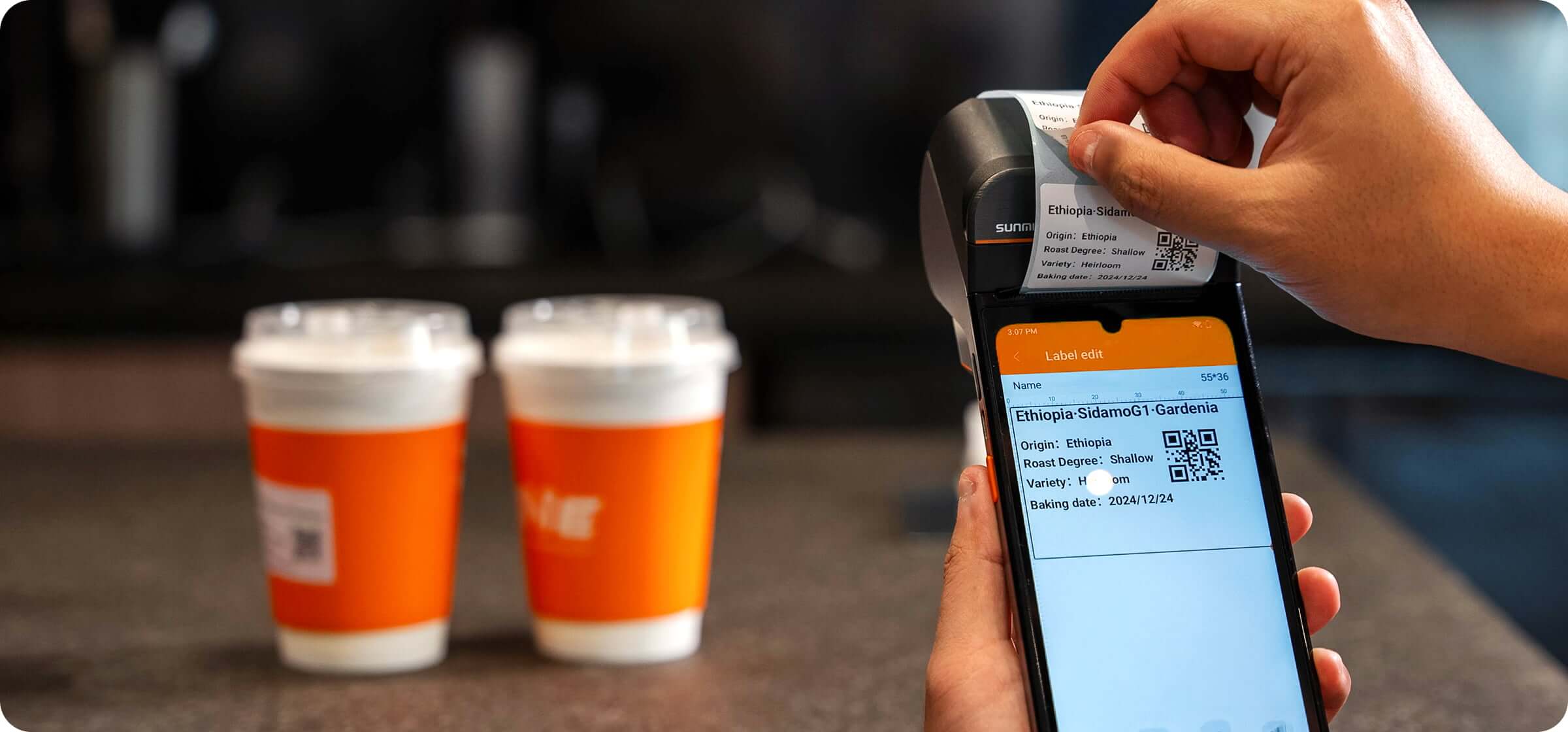
In beverage shops or pickup areas, scanning and printing happen all day. Mobile POS hardware like SUNMI V3 family in these setups must keep up without slowing staff down.
Mid-range devices are often preferred here because they balance speed, stability, and built-in scanning or printing.

- For high-volume and long operating hours
Busy restaurants place different demands on mobile POS hardware. Devices like SUNMI V3 family are often considered in these cases. A slim and ergonomic design helps reduce hand fatigue. A clearer screen improves visibility in bright spaces. Stronger and more stable Wi-Fi helps prevent interruptions during peak hours. Simple log-in methods also save time when devices are shared.
Instead of comparing features on paper, this approach shows how to choose mobile POS hardware for restaurant use based on how staff actually work.
What Restaurant Owners Can Learn from This Approach
The goal isn’t to copy a specific setup but to grasp the evaluation framework.
When mobile POS hardware for restaurant ecosystems offer multiple device options that match real service needs, it’s easier to choose based on usability instead of marketing hype.
Real product lineups provide insight into how theory becomes daily operations.
Why the Right Partner Still Matters
Even practical mobile POS hardware can fail if it doesn’t match workflow needs.
As the official SUNMI distributor for the U.S. and Canada, Rosper, an authorized SUNMI distributor in the United States and Canada, helps restaurant owners assess mobile POS needs from an operational viewpoint—not just a technical one.
This approach ensures restaurants select mobile POS hardware that grows with them instead of becoming a bottleneck.
Why Rosper Matters When Mobile POS Hardware Becomes a Real Purchase
- What real delivery advantage does Rosper provide for SUNMI mobile POS projects?
Rosper operates 8 warehouses across the US and Canada, including locations in LA, Tracy, New Jersey, and Maryland. Most SUNMI mobile POS hardware orders can ship within 2–7 business days, with options including FedEx, UPS, LTL freight, drop shipping, and local pickup.
If a specific model is temporarily out of stock, Rosper can arrange direct shipments from China to America within 1–2 weeks as a backup solution, ensuring projects stay on schedule.
- How is Rosper different from a normal POS hardware reseller?
Rosper is not just a SUNMI device seller. The team has end-to-end SUNMI product experience, including hardware models, Android POS hardware behavior, payment integration, and deployment scenarios.
You can receive model selection guidance, compatibility checks, and scenario-based recommendations, not just price quotes.
Rosper also works directly with SUNMI product teams for validation and escalation when needed quickly—often within one to two business days—with pickup options available.
- What technical and pre-sales support does Rosper provide before customers place large orders?
Rosper supports device demos, test units, SDK guidance, and workflow validation before scale purchase.
Rosper helps evaluate handheld POS systems for restaurants based on real use cases like tableside ordering, mobile payment, and label printing.This reduces wrong model selection, version mismatch, and Android mobile POS integration risk before rollout.

- What ongoing support does Rosper provide after purchase?
SUNMI products purchased through Rosper come with a three-year warranty, serial tracking, replacement handling, and ROM/firmware coordination when required.
You also receive access to MDM device management support, technical documents, and remote guidance.
The goal is not just shipping mobile POS hardware for restuarant, but keeping deployed systems stable and manageable.
Final Takeaway for Restaurant Owners
Choosing practical mobile POS hardware for restaurant starts with understanding how your restaurant operates.
By focusing on workflows and validating decisions with real-world ecosystems like SUNMI’s, owners can make smart choices based on usability and long-term value.
With the right evaluation process and partner, mobile POS becomes a tool that supports service rather than slowing it down.
For businesses that want long-term stability in their POS restaurant hardware strategy, working with a specialized SUNMI partner like Rosper helps ensure each hardware choice supports real operational goals — not just short-term purchases.