
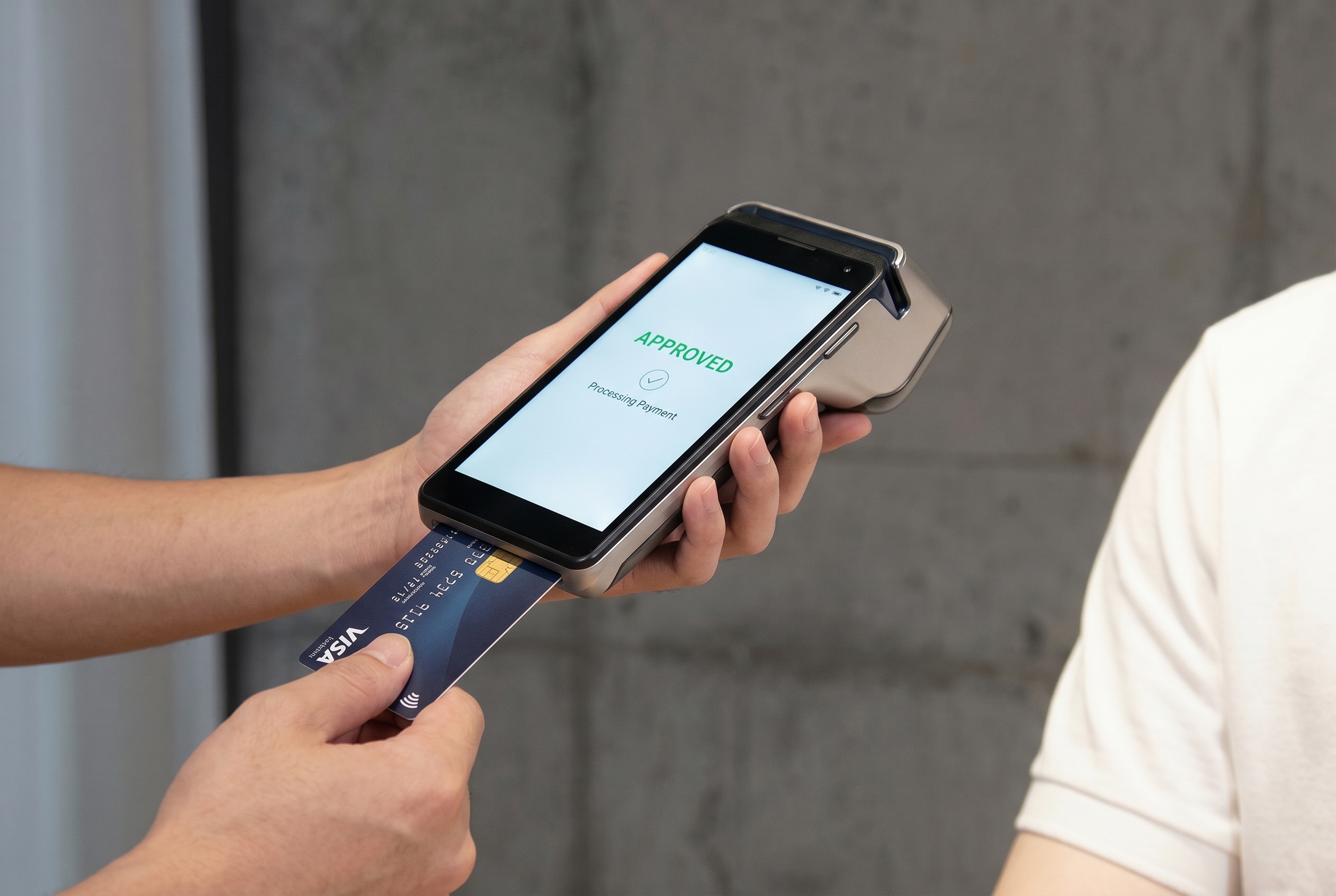
Android POS hardware is now the strategic platform that POS ISVs and payment processors invest in first. Walk into any major retail or restaurant technology conference in North America in 2026 and the booths tell you the same story without anyone saying it out loud. The POS software demo is running on an Android tablet. The payment-processor demo is running on an Android terminal. The legacy Windows POS station is in the corner, unplugged, with a “still supported” sign next to it.
The shift is not loud because the software companies do not gain anything by announcing “we are abandoning Windows.” But the engineering investment and the certified-hardware shortlists tell the real story. This article walks through what is actually happening at the ISV and payment-processor layer, why it is happening, and what it means if you are an ISV, a processor, or a partner deciding what hardware to commit to next.
Key takeaways
- POS ISVs are publishing Android builds first and routing new feature work to the Android codebase before the Windows version.
- Payment processors are certifying contactless, tap-to-pay, and SoftPOS flows on Android-based PCI PTS 6.x hardware ahead of Windows equivalents.
- The economics are driven by hardware cost (Android industrial POS is 30–50% cheaper than equivalent Windows POS) and by faster certification cycles on the Android side.
- ISVs that switch to Android-friendly hardware see lower per-customer support cost, faster deployment, and a single OS target globally.
- SUNMI is one of the most commonly certified Android POS platforms for ISV partner programs and payment-terminal certifications in the US and Canada, distributed through Rosper.
What “quietly switching” actually looks like
The pattern across ISVs in 2026 plays out in four stages.
Stage 1: Android beta. The ISV launches an Android beta build, often labeled as a “tablet companion” or “mobile POS” app. This is the foot in the door.
Stage 2: Feature parity. Within 12–18 months, the Android build matches the Windows build feature for feature. The marketing site does not say “Windows is going away” — it says “now available on Android.”
Stage 3: Android-first development. New features ship to the Android build first. The Windows build gets the feature 3–6 months later, or never. Customers who push hard get a Windows port; everyone else gets the Android version.
Stage 4: Windows in maintenance. The Windows build moves to maintenance-only. Bug fixes and security patches continue, but no new features. The product literature now leads with the Android version.
Some ISVs are at Stage 2 in 2026. Several major US and Canadian POS players are at Stage 3 and a few are arriving at Stage 4. The direction of travel is identical across the category.
Why ISVs are committing to Android POS hardware first
There are five economic forces pushing the same direction.
Hardware cost competition is intense
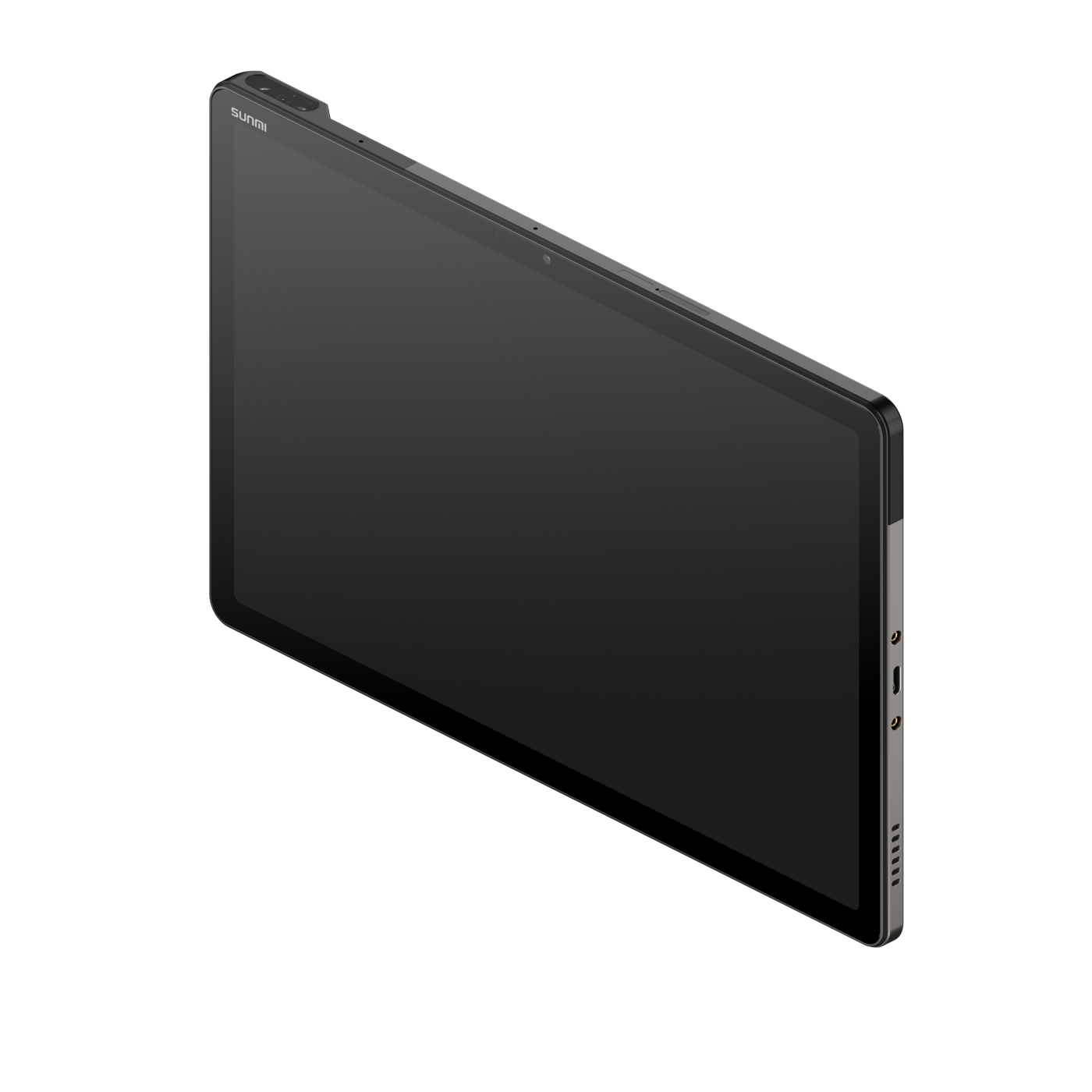
A mid-market US restaurant operator comparing Android POS hardware quotes today sees SUNMI at the SUNMI T3 and D3 desktop POS family against mid-market Windows industrial POS list pricing roughly two to three times higher. The cost difference is not subtle, and the gross margin per ISV-led hardware sale matters more than it used to. ISVs that bundle hardware with their software prefer to bundle the cheaper hardware unless customers are paying a premium for Windows specifically — and few are.
One OS, one codebase, one global SKU
A POS ISV with Android-first development can publish one app to one OS and ship the same software to customers in North America, LATAM, EMEA, and Asia. The Windows alternative requires per-region hardware OEM relationships, multiple driver stacks, and significant per-region support cost. Android compresses that to one Play Store listing and one MDM-enrolled fleet.
Faster PCI and EMV certification cycles
This is the layer most operators do not see. New EMV kernels and contactless flows now land on Android-based PCI PTS 6.x hardware first because the certification effort per device is lower when the same Android-based SDK runs across an entire vendor portfolio. SUNMI’s P3 Family is one example of a payment-terminal platform that processors can certify once and then ship across multiple form factors. The Windows equivalent requires separate certification per hardware OEM.
Lower per-customer support cost
ISVs report that their per-customer support cost drops measurably after migrating their customer base to Android. The Android device is more sealed, has fewer peripheral drivers, runs the ISV’s app in kiosk mode, and is harder for end users to accidentally break. A typical Windows POS at a quick-service restaurant gets a non-trivial number of support tickets per year from issues unrelated to the ISV app — driver updates, USB enumeration, Windows update failures. The Android equivalent has roughly half the surface area for those classes of tickets.
Customer demand has flipped
The interesting flip in 2026 is on the customer side. Five years ago, customers asked for Windows POS because that is what they knew. In 2026, most US and Canadian small and mid-market operators ask for Android POS by default and have to be specifically asked whether they have a reason to want Windows. That is a category-defining shift.
Why payment processors are certifying Android POS hardware first
Payment processors are running the same play but with a tighter regulatory frame.
PCI PTS 6.x baseline favors purpose-built Android
PCI PTS 6.x is now the certification baseline for new card-present payment terminals in North America. The certification testing is rigorous — secure boot, tamper detection, key injection, EMV kernel separation. Purpose-built Android payment terminals like the SUNMI P2 and P3 are designed against this spec from silicon up. Generic Windows POS terminals are not, and the third-party USB-attached card readers that solved this in the past are themselves now reaching end of certified life.
SoftPOS and tap-to-pay are Android-native
Tap-to-pay on Android is now generally available across the major processors. The equivalent on iOS exists (Apple’s Tap to Pay), but the equivalent on Windows is not a thing in any practical sense. Processors building new contactless and tap-to-pay flows are necessarily building them for mobile OS targets, and Android is the larger market.
Certification cycles favor consolidated hardware platforms
A processor that certifies its EMV kernel and contactless flow on one Android hardware platform (one chipset, one secure element, one OS version) can then ship that certification across the manufacturer’s portfolio. SUNMI’s payment terminal family lets a processor certify once and deploy across multiple form factors. Doing the same on Windows POS requires per-OEM certification, which is slower and more expensive.
Acquirer relationships are following
US and Canadian acquirers — Fiserv, Worldpay, Global Payments, Adyen, Moneris in Canada, TD Merchant Solutions in Canada — have certified flows on Android POS hardware including SUNMI devices for multiple verticals. The acquirer shortlists in 2026 are noticeably Android-heavy for new merchant onboarding.
What it means if you are an ISV or processor
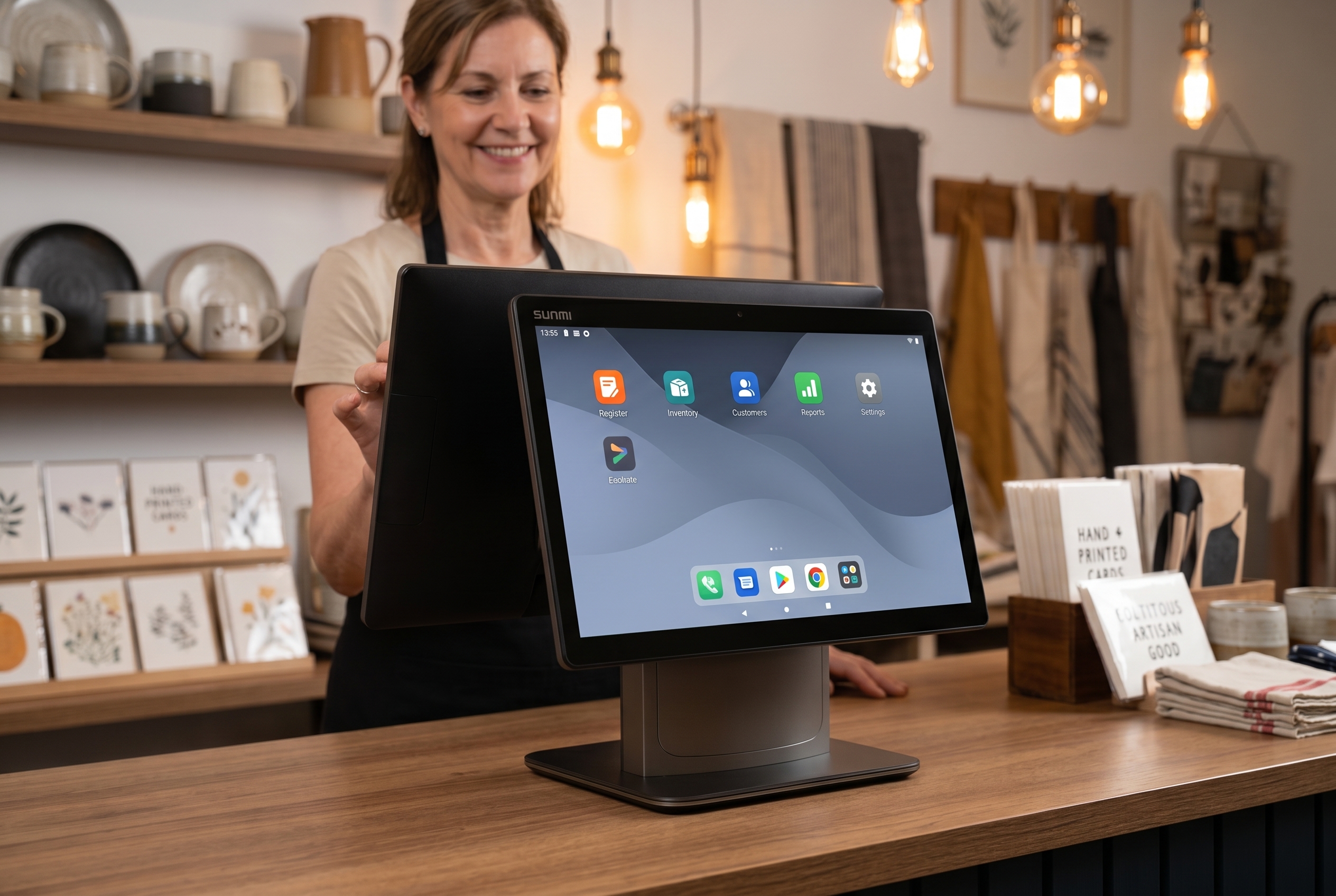
The strategic question is no longer “should we add Android support?” It is “how fast can we make Android the primary build and what is the support cost for the legacy Windows estate during transition?”
A few practical considerations:
- Pick a hardware partner with breadth. A single Android POS partner that ships desktop POS, tablet POS, kiosks, mobile POS, and payment terminals lets you certify one platform across all your customer use cases.
- Confirm MDM compatibility. Free MDM included with every SUNMI device sold by Rosper materially simplifies fleet management for ISV deployments at scale.
- Plan the warranty and replacement RMA flow up front. Android devices fail less, but they still fail. Rosper coordinates SUNMI manufacturer warranty service for ISV-managed fleets across the US and Canada.
- Negotiate volume pricing for committed deployments. Multi-year ISV bundles attract tiered volume pricing.
If you are an ISV reading this and looking for hardware to bundle, request an ISV partnership quote from Rosper. We work with US and Canadian POS ISVs to certify SUNMI hardware against the ISV’s deployment requirements and to stage volume orders across the ISV’s customer base.
What it means if you are an operator
If you are a retailer, restaurateur, or hospitality operator, the practical implication is simple: when your ISV moves to Stage 3 (Android-first development) on your software, your Windows hardware is now the maintenance platform. You will get bug fixes but not new features. Plan the hardware migration around your ISV’s roadmap.
The two related pieces in this series go deeper on the operator-side decision:
- 5 Signs Your Windows POS Hardware Won’t Make It to 2027 — the checklist that tells you when migration is no longer optional.
- Stuck on Windows 10 POS After EOL? Your 3 Options and the Real Math on Each — the 36-month cost model for staying on Windows vs migrating.
Frequently Asked Questions
Why are POS ISVs switching to Android hardware?
ISVs are switching because Android POS terminals offer 50-70 percent lower hardware cost than Windows POS, faster certification cycles for new payment kernels, native cloud connectivity for SaaS revenue models, and longer device lifespans reducing customer support overhead.
What does Android POS hardware offer for payment processors?
Payment processors get integrated EMV Level 1 and 2 certified kernels, PCI PTS 6.x devices like SUNMI P3 with semi-integrated SDK, native NFC and contactless support, and consolidated tap-to-phone and traditional terminal experiences on a single device family.
Is Android POS hardware certified for payment acceptance?
Yes. SUNMI Android POS payment terminals are PCI PTS 5.x and 6.x certified, EMVCo Level 1 and 2 certified, and support contactless EMV including Visa Tap to Phone. P2, CPad Pay, and P3 all carry full payment certification.
How does Android POS reduce ISV total cost of ownership?
Android POS hardware costs 50-70 percent less per unit, has 5-7 year typical lifespan versus 3-4 years for Windows POS, runs lighter cloud-first SaaS apps reducing on-device processing needs, and supports remote MDM management cutting field service trips by 60 plus percent.
Can ISVs port existing Windows POS software to Android?
Yes via three paths. First, SUNMI SUPER Solution runs unmodified Windows software on Android hardware as a bridge. Second, cross-platform frameworks like Flutter or React Native allow shared codebases. Third, native Android development using the SUNMI POS SDK for full hardware access.
What is the SUNMI POS SDK and what can ISVs build with it?
The SUNMI POS SDK exposes printer, scanner, payment, customer display, and MDM APIs to native Android applications. ISVs can build POS applications, kitchen display systems, customer-facing checkout flows, and integrate semi-integrated payment terminals in 4 modes including ECR, USB host, network, and Bluetooth.
Where do payment processors and ISVs source SUNMI Android POS?
Rosper is the authorized SUNMI distributor for the US and Canada and offers ISV-specific volume pricing, white-label hardware programs, MDM tenant pre-provisioning, and 8 North American warehouses shipping in 2-7 business days.