
Understanding POS total cost ownership is essential before investing in new hardware. Choosing a POS system involves more than comparing sticker prices. The total cost of ownership (TCO) includes hardware, software licensing, maintenance, payment processing fees, and long-term scalability. For businesses evaluating their options, understanding TCO can reveal significant savings over a 3 to 5 year period.
This guide compares the TCO of open Android smart terminals against proprietary locked POS systems, breaking down every cost category so you can make an informed decision.
What goes into POS total cost ownership
TCO is not just the purchase price of your hardware. It includes every cost associated with deploying, operating, and maintaining your POS infrastructure over its useful life. The main categories are:
Hardware acquisition. The upfront cost of terminals, peripherals (printers, scanners, cash drawers), and any required networking equipment.
Software licensing. Monthly or annual fees for POS software, payment gateway access, and any required middleware or integrations.
Payment processing. Transaction fees charged by your payment processor. Some proprietary systems lock you into specific processors with higher rates.
Maintenance and support. Warranty coverage, repair costs, and technical support fees over the life of the equipment.
Replacement and upgrades. How often hardware needs replacing and whether the platform supports incremental upgrades or requires full system replacement.
Open Android terminals: cost breakdown
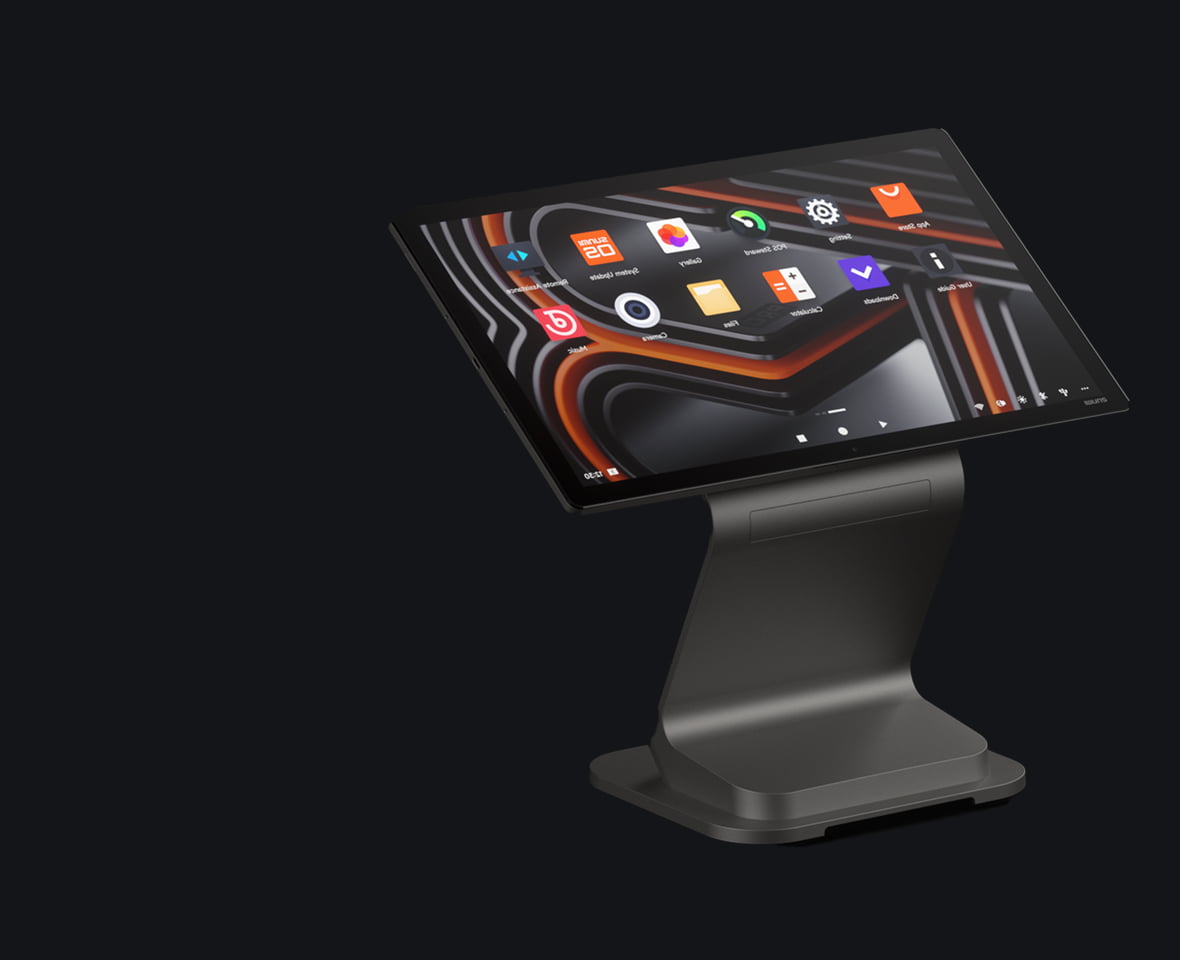
Android-based smart terminals like those from SUNMI run standard Android OS with Google Play certification. This open architecture creates cost advantages across multiple TCO categories:
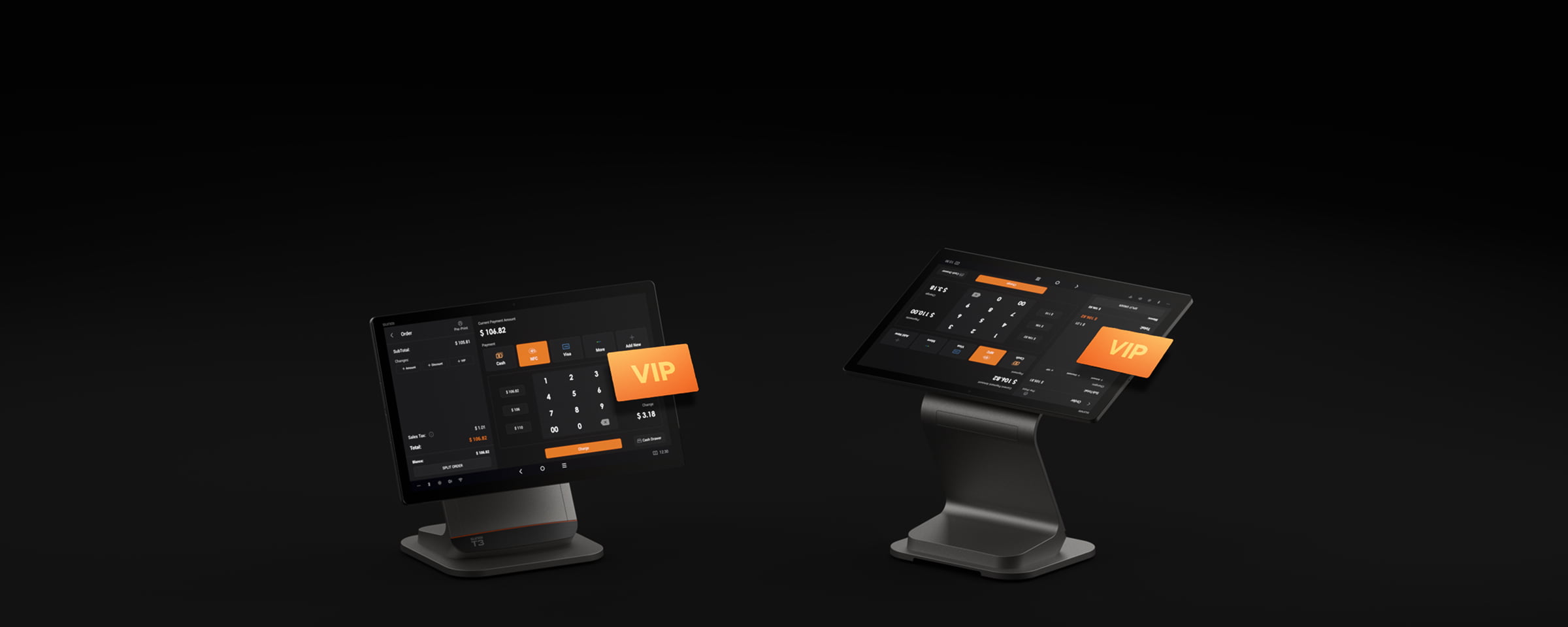
Lower hardware cost. Android smart terminals typically cost 30 to 60 percent less than equivalent proprietary hardware. A full-featured desktop terminal with dual screens costs a fraction of what comparable proprietary all-in-one systems command.
Software freedom. You choose your own POS software, payment processor, and add-on applications. No mandatory software subscriptions from the hardware vendor. This competitive marketplace keeps software costs lower and gives you negotiating power.
Payment processor choice. Open Android terminals work with virtually any US payment processor. You can negotiate the best transaction rates without being locked into a single provider. If your processor raises rates, you can switch without replacing hardware.
Longer useful life. SUNMI devices receive Android OS updates and security patches. The hardware is designed for commercial use with 3-year SUNMI Care warranty coverage. Many businesses run SUNMI devices for 4 to 5 years before upgrading.
Proprietary locked systems: cost breakdown
Proprietary POS platforms bundle hardware, software, and payment processing into a single package. While this simplicity appeals to some businesses, the long-term costs can add up:
Higher hardware cost. Proprietary terminals often include significant markups because the hardware is only compatible with the vendor’s software ecosystem. Replacement parts and peripherals must also come from the same vendor.
Mandatory software fees. Monthly software licensing is typically required and non-negotiable. These recurring per-terminal fees add a significant, ongoing line item to your TCO year after year, on top of the hardware itself.
Locked payment processing. Many proprietary systems require you to use their integrated payment processing, which often carries higher transaction rates than what you could negotiate independently. Over thousands of monthly transactions, even a 0.1 percent difference adds up significantly.
Vendor dependency. If the vendor raises prices, changes terms, or discontinues your product line, you may face expensive migrations. Your data, menu configurations, and workflows are trapped in a proprietary format.
3-year TCO comparison example
Consider a small restaurant deploying 3 POS stations:
| Cost category | Open Android (3 units) | Proprietary (3 units) |
|---|---|---|
| Hardware (terminals + peripherals) | Lower upfront cost | Higher upfront cost |
| Software licensing (3 years) | None to modest (your choice of software) | Mandatory recurring fees |
| Payment processing premium (3 years) | None (choose your own processor) | Locked-in premium rates |
| Support and warranty | Included (3-year warranty) | Often billed separately |
| Estimated 3-year total | Substantially lower total cost of ownership | Substantially higher total cost of ownership |
These ranges vary based on specific products and vendors, but the pattern holds: open Android hardware saves money at every layer of the TCO stack.
When proprietary systems might make sense
Not every business should choose open Android hardware. Proprietary systems can be a reasonable choice when:
You need an all-in-one turnkey solution. If you have no IT staff and want a single vendor to handle everything, the convenience premium may be worth it for very small operations.
You are already deeply integrated. If your existing business workflows, loyalty programs, and employee management all run on a proprietary platform, the switching cost may outweigh potential savings.
For growing businesses that plan to add locations, expand their menu, or negotiate better payment processing rates, open Android hardware typically delivers better long-term value.
How to evaluate POS total cost ownership for your business
To calculate your own TCO comparison, gather these numbers for each option you are considering:
1. Total hardware cost including all peripherals and installation. 2. Monthly software fees multiplied by 36 months (3-year comparison). 3. Payment processing rate difference multiplied by your monthly transaction volume. 4. Annual support or maintenance fees. 5. Expected replacement timeline and upgrade costs.
Most businesses find that open Android terminals save 40 to 70 percent over 3 years compared to locked proprietary alternatives, especially at scale.
Choosing the right Android POS hardware
If you decide open Android is the right approach, selecting the right hardware partner matters. Look for devices that are Google-certified, built for commercial use (not consumer tablets), and backed by a manufacturer warranty. SUNMI’s product line covers every form factor from handheld payment terminals to 22-inch self-ordering kiosks, all running certified Android with full SDK access.

Rosper stocks SUNMI’s complete product line in 8 warehouses across the US and Canada. Most orders arrive in 2–7 business days. Every device includes SUNMI’s official 3-year warranty, and Rosper assists with any warranty claims. If you are evaluating the cost of switching to open Android hardware, requesting a quote is a quick way to get accurate pricing for your specific deployment.
Frequently asked questions
What is total cost of ownership for a POS system?
Total cost of ownership includes all expenses over the life of the system: hardware purchase, software licensing, payment processing fees, maintenance, support, and replacement costs. It provides a complete picture beyond just the initial purchase price.
Are Android POS terminals cheaper than proprietary systems?
In most cases, yes. Android smart terminals have lower hardware costs, no mandatory software subscriptions from the hardware vendor, and allow you to choose your own payment processor. Over 3 years, businesses typically save 40 to 70 percent compared to proprietary alternatives.
Can I use any POS software on an Android terminal?
Google-certified Android terminals support any Android-compatible POS application. Most major POS software providers offer Android versions of their apps, and SUNMI’s SDK makes custom integration straightforward for ISVs.
Do Android POS terminals work with US payment processors?
Yes. Open Android terminals are compatible with virtually all US payment processors. You can process credit cards, debit cards, contactless payments, and mobile wallets through your preferred processor.
How long do commercial Android POS terminals last?
Commercial-grade Android terminals are designed for continuous use in demanding environments. SUNMI devices come with a 3-year warranty and many businesses operate them for 4 to 5 years before upgrading.
Is it risky to switch from a proprietary POS system to open Android?
The transition is manageable with proper planning. Most POS software providers support data migration from other platforms. Starting with a pilot at one location before rolling out to all sites reduces risk and lets you validate the new setup in a real environment.