
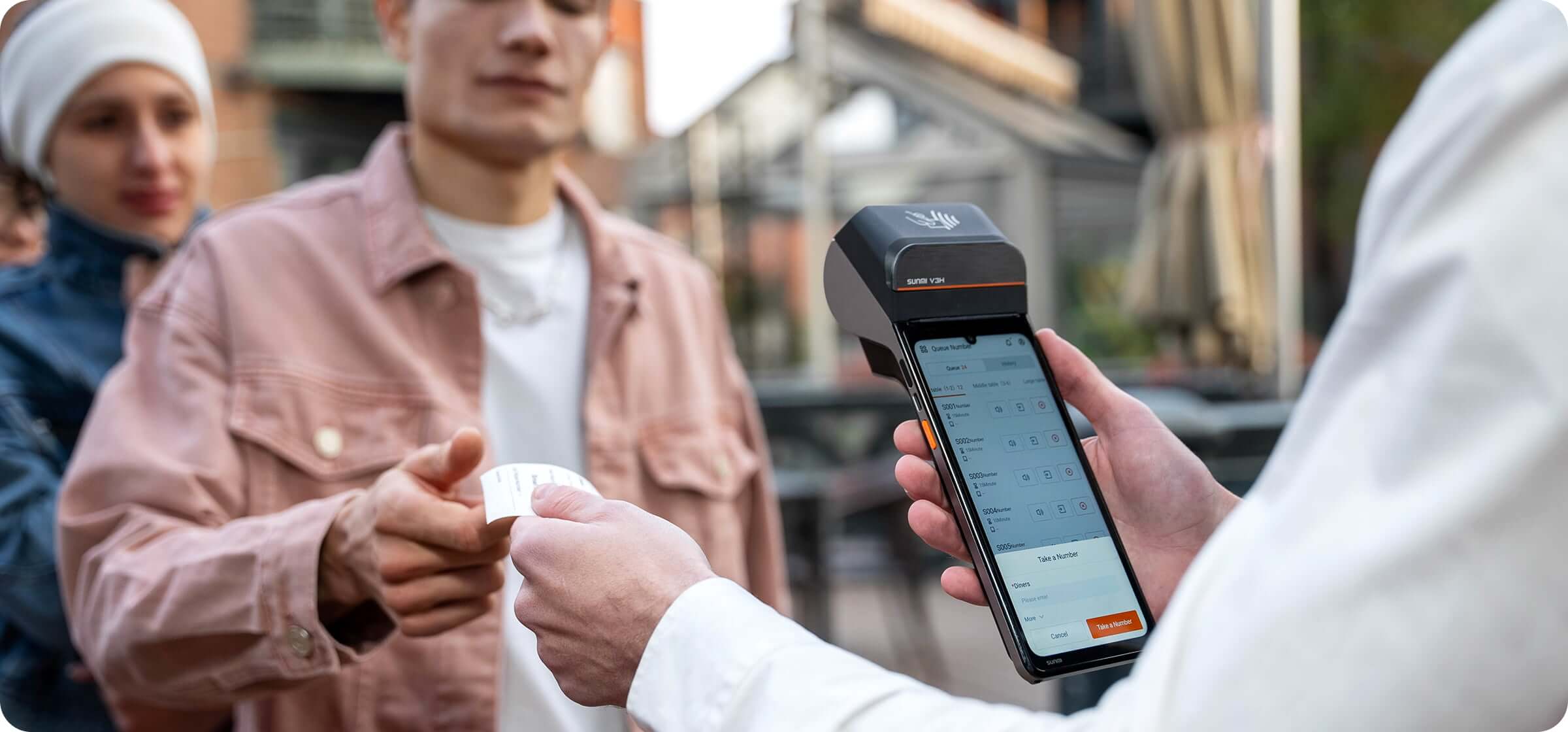
Why Hardware Decisions Are Critical for ISVs
The Independent Software Vendors (ISVs) market has become highly competitive. Restaurant operators now expect seamless digital experiences. Software alone cannot deliver this.
In restaurants,handled POS devices, failure becomes a revenue event: orders stall, payments fail, and staff workflows break in minutes.That means lost orders and unhappy customers. That is why choosing the right mobile POS hardware is a major decision.
Many independent software vendors in USA report that hardware issues are a major driver of support tickets—especially battery degradation, connectivity drops, and payment failures.
ISVs must treat hardware as part of their product ecosystem. Strong alignment between hardware and software improves deployment speed. It also improves retention across your restaurant clients.
Core Criteria ISVs Should Evaluate First
Restaurant staff use mobile POS hardware in fast and high-pressure environments. Servers move between tables, patios, and kitchens throughout a shift. The hardware must work without interruption.
Within the restaurant ISV market, hardware decisions now directly affect onboarding speed, payment approval timelines, and long-term fleet stability. ISVs are expected to validate Europay, Mastercard, and Visa readiness early(EMV), align with Payment Card Industry (PCI) requirements, and ensure devices support remote management from initial deployment.
Across operator communities, the most common field failures cluster into five categories: battery performance, Wi-Fi stability, payment reliability, scanner/camera performance, and physical durability. Many restaurants complain that some handheld POS devices fail during peak hours. Even small technical failures slow service and increase order errors.
Because of these risks, hardware selection becomes a critical decision for independent software vendors. When selecting mobile POS hardware, ISVs should follow a clear evaluation structure. This helps reduce risk during scaling.
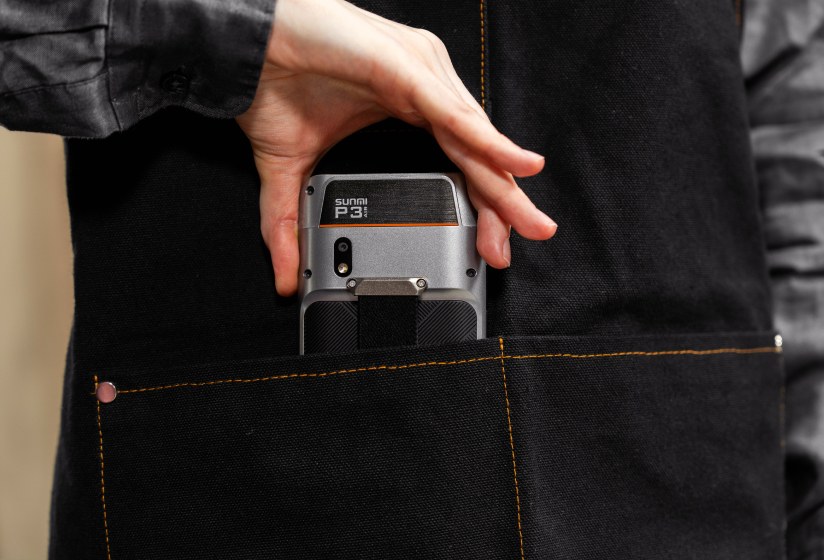
Mobile POS Evaluation Framework for Restaurant ISVs
1.Durability and Build Quality
Restaurants are chaotic environments. Devices face drops, spills, heat exposure, and frequent sanitizing. ISVs should prioritize rugged designs.
Consider an IP rating (often IP65-class for dust/water resistance) and reinforced housing to reduce breakage and replacement cycles. This improves device lifespan. It also lowers replacement costs across the independent software vendors market.
Lower device failure rates also reduce Return Merchandise Authorization (RMA) volume and spare inventory requirements across multi-state deployments.
2.Battery Performance
Battery life directly impacts staff productivity.Target a full-shift battery profile: stable performance across an 8–10 hour service window, plus fast charging or hot-swap options for peak-hour continuity. Hot-swap battery options reduce downtime.
Reliable battery performance ensures hardware and software operate continuously during peak service.
3.Payment Compatibility
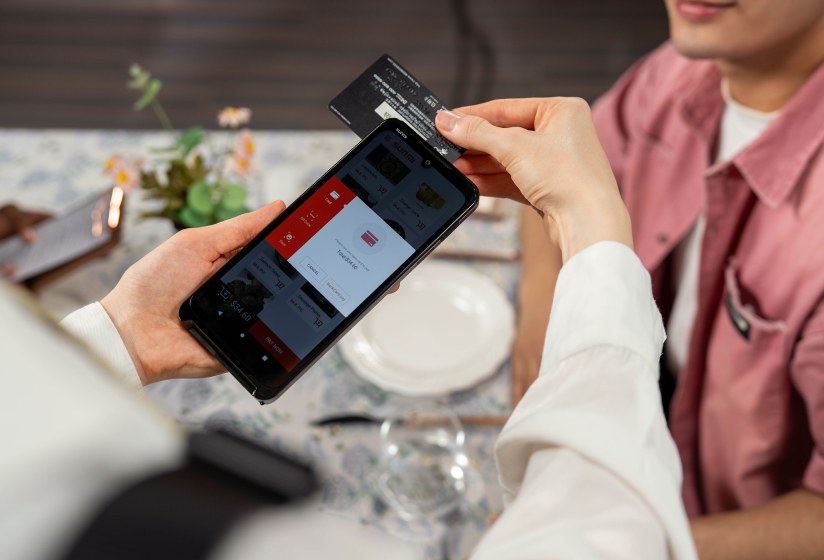
Modern restaurants rely on contactless payments. ISVs should confirm EMV/NFC capability and validate the certification path early (e.g., payment readiness, integration scope, and partner requirements) to avoid late-stage deployment delays. Payment certification reduces integration workload for independent software vendors in USA.
4.Operating System Flexibility
Many ISVs prefer android POS systems. Android supports open SDK development. It also allows faster application updates. Flexible systems improve long-term compatibility between hardware and software.
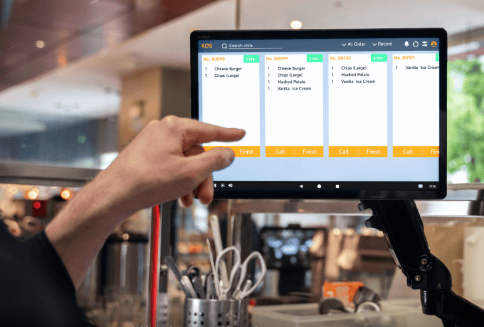
5.Connectivity Stability
Reliable wireless performance is essential. Prioritize stable Wi-Fi performance in congested kitchens and dining rooms. You can also consider Wi-Fi 6-class hardware, Bluetooth for peripherals, and optional LTE/4G for pop-ups, patios, and failover connectivity. Strong connectivity improves order sync across restaurant POS hardware networks.
FAQ:Why do restaurant ISVs choose Android-based POS devices for deployments?
Android POS devices typically offer stronger SDK flexibility, faster app iteration, and easier fleet operations. For example, remote updates, configuration consistency, and multi-location rollouts.This makes customization easier for independent software vendors. Android also allows faster application updates.
Field Testing Strategies ISVs Should Follow
Device specifications alone do not predict real-world performance during peak restaurant operations. ISVs should validate hardware through repeatable field testing before establishing deployment standards.
Peak-hour stress testing should simulate continuous ordering and payment activity under rush conditions to confirm system stability without application freezes or thermal performance degradation.
Mixed workflow testing validates device reliability across tableside ordering, counter service transitions, and peripheral integration such as printers and scanners without requiring reconnection or device rebooting.
Offline and failover testing ensures core ordering workflows remain operational during network outages and synchronize automatically when connectivity returns, reducing service disruptions across ISV deployments.
Understanding Price Tiers in the Mobile Hardware Market
Cost is another key factor when evaluating mobile POS hardware. Restaurants vary in budget and operational scale. ISVs often need multiple pricing options.
Many ISVs prefer Android-based platforms because they offer strong flexibility. This is where SUNMI POS device models are widely recognized.
1.Entry tier options in the Mobile Hardware Market
Entry-tier mobile POS hardware focus on core ordering and payment workflows. They typically support reliable Wi-Fi and NFC, with configurations that prioritize affordability and simple rollouts. These devices work well for small cafés and quick-service startups and help independent software vendors validate pilots quickly before standardizing at scale.
For example, some ISVs choose Android-based device lines such as SUNMI for pilot programs when SDK compatibility and deployment support align with their rollout needs.
2.Mid-tier performance Mobile POS Hardware
Mid-tier mobile POS hardware typically support full EMV compliance and stronger processing performance. Battery capacity and system stability are usually enhanced, allowing devices to operate reliably during extended service hours. These models are commonly selected by restaurants that require dependable performance across busy lunch and dinner periods.
For independent software vendors, mid-tier hardware often provides the best balance between performance, scalability, and deployment cost. These devices allow ISVs to standardize hardware across multiple restaurant formats while maintaining consistent user experience and software compatibility.
3.Premium enterprise Mobile POS Hardware
Premium mobile POS hardware are designed for high-volume and multi-location restaurant operations. These models often include rugged construction, extended connectivity options such as cellular support, and enhanced security configurations. They are typically used in environments where device durability and uptime directly impact operational continuity.
For ISVs serving enterprise restaurant groups, premium Android POS platforms support large-scale rollouts and long-term infrastructure planning. Their advanced connectivity and durability help reduce hardware replacement cycles and ensure stable performance across distributed restaurant networks.
How Tablets Complement Mobile Deployments
Most ISVs start hardware evaluation with handheld mobile POS hardware because they directly impact tableside speed and peak hour uptime. As deployments scale, many restaurants also need a fixed station to handle larger screen workflows and team handoffs.
Tablet workstation supports order review, reporting, menu updates, and customer facing display tasks. This helps independent software vendors build a consistent Android device mix that is easier to deploy and support across locations.
For a tablet based counter station, some independent software vendors consider the SUNMI CPAD series when they need a larger screen for front of house workflows while handhelds handle mobility.
SUNMI CPAD supports dual screen functionality, enabling merchants to present order details, promotional content, or payment confirmations directly to customers during checkout. This improves transaction transparency and helps restaurants build stronger customer trust while creating additional marketing opportunities.
When the same station also needs built in payment acceptance, some independent software vendors evaluate SUNMI CPAD Pay for counter workflows that require EMV and NFC payments while keeping Android app compatibility and fleet support consistent.
In many deployments, restaurants combine POS hardware types in this way. Handheld devices capture orders and support peak hour service. Tablets manage dashboards, customer displays, and counter workflows. This hybrid setup improves operational visibility and reduces device related support friction across Independent Software Vendor deployments.
How Rosper Helps ISVs Deploy SUNMI Hardware Successfully
Choosing the right handheld pos device is only one step. For independent software vendors in the US and Canada, successful rollouts depend on repeatable sourcing, staging, fleet management, and lifecycle workflows.
This includes pre-configuration, device kitting, controlled enrollment, and clearly structured Return Merchandise Authorization (RMA) processes to keep multi-location restaurant fleets predictable.
Rosper supports ISVs across the US and Canada with US based SUNMI inventory, deployment services, and ongoing Mobile Device Management (MDM) and lifecycle support to reduce support burden as deployments scale.
Trusted by established, large scale US based independent software vendors, our team maintains in stock SUNMI inventory in the United States and ships fast across the US and Canada through four regional warehouses on the East and West coasts.
Based on experience supporting mature ISV deployments, our experts recommend the right device mix for your business model and restaurant workflows.
Additional Value Rosper Provides to ISVs
Rosper supports inventory and logistics planning for growing ISV partners. By maintaining regional warehouse coverage and flexible fulfillment strategies, Rosper helps reduce shipping delays and hardware shortages. This allows ISVs to scale customer onboarding without worrying about supply chain disruption.
Hardware maintenance and lifecycle management is another major advantage Rosper provides. Instead of requiring ISVs to manage device repairs and replacement workflows internally, Rosper offers structured RMA coordination and white-label support services. This helps ISVs maintain consistent service quality while reducing operational overhead.
A major advantage for restaurant ISVs is that Rosper provides MDM completely free of charge. There are no recurring per-device licensing fees. ISVs can remotely deploy apps, control system settings, push updates, lock devices, and monitor fleet health at scale without adding software overhead to their cost structure.
Key Takeaways for ISVs Evaluating Mobile Hardware
When selecting mobile POS hardware, ISVs should prioritize long-term reliability and ecosystem compatibility. Hardware must support software growth and restaurant expansion.
Important evaluation reminders include:
• Test devices under real service conditions
• Choose Android systems for development flexibility
• Ensure payment certification compatibility
• Combine mobile and tablet hardware for workflow efficiency
Partnering with experienced hardware providers can reduce risk across the independent software vendors market.
Next Step for ISVs Scaling Deployments in the US and Canada
Hardware choices shape an ISV’s deployment speed, support burden, and merchant experience. The best results come from pairing the right device mix with a repeatable rollout system that covers sourcing, staging, fleet management, and lifecycle support.
If you are deploying SUNMI devices for restaurant ISVs in the US and Canada, a repeatable rollout process matters as much as device specs. It should cover sourcing, staging, MDM, and lifecycle workflows, so deployments stay consistent as volume grows.
Request a device mix recommendation and rollout checklist. Submit an inquiry with your restaurant segment, payment requirements, and estimated device volume. Our team will reply with a recommended setup and a rollout plan that includes staging and MDM, supported by US based inventory and regional warehouse fulfillment across the East and West.