
Category: Buying Guide
-

Best Android Handheld Terminals for Warehouse Management in 2026
If you manage a small or mid-size warehouse and you’re shopping for an Android handheld terminal for warehouse operations, you’ve probably noticed the same thing: most of the content online is written for enterprise buyers with dedicated IT departments and six-figure hardware budgets. Last updated: March 2026. All specs and…
-
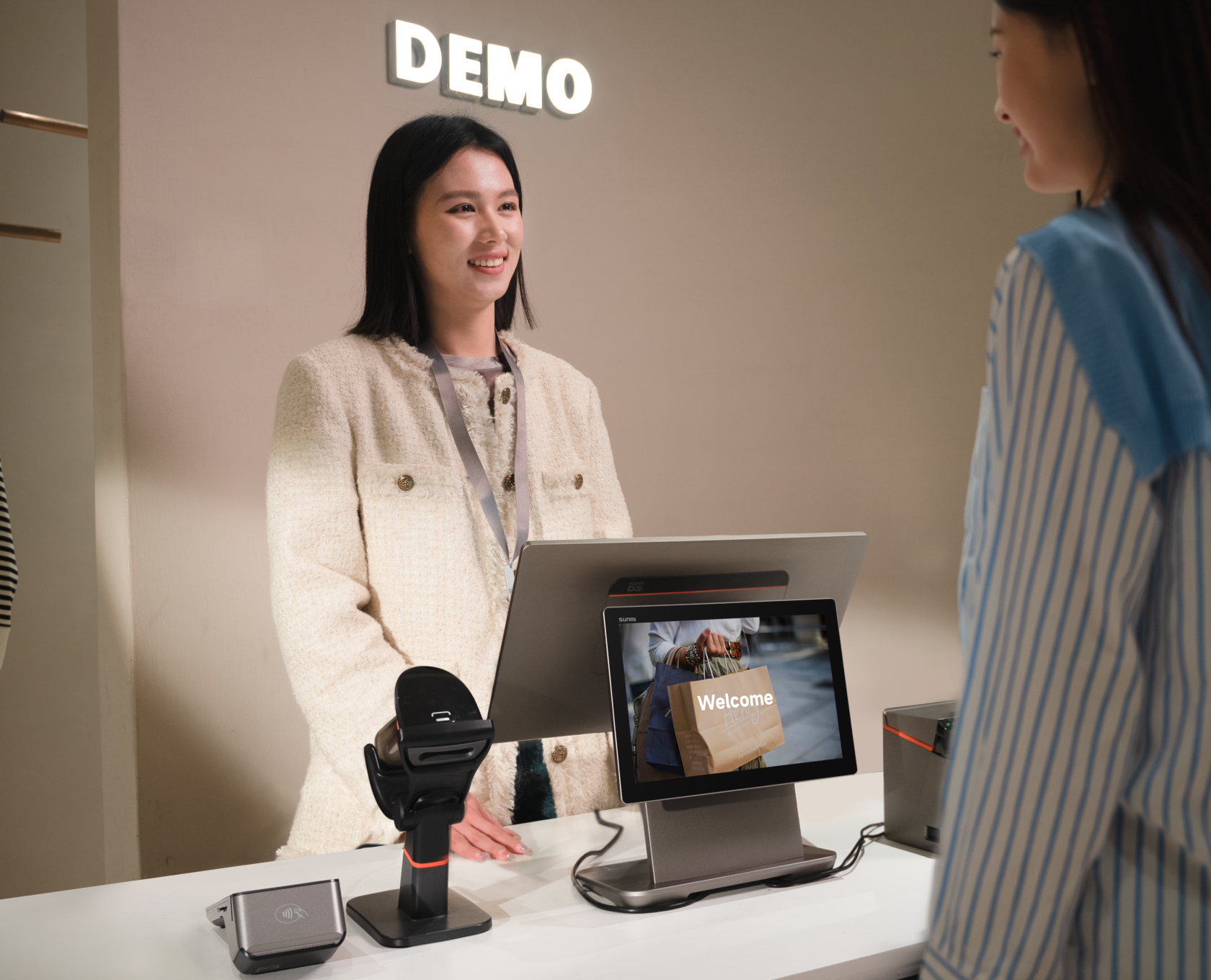
How to manage SUNMI POS devices remotely: the free MDM most businesses don’t know about
The easiest way to manage SUNMI POS devices remotely is through SUNMI’s free, built-in MDM (mobile device management) platform that comes with every SUNMI POS terminal. It lets businesses remotely manage apps, lock devices into kiosk mode, enforce security policies, and diagnose printer issues — all without paying for third-party…
-
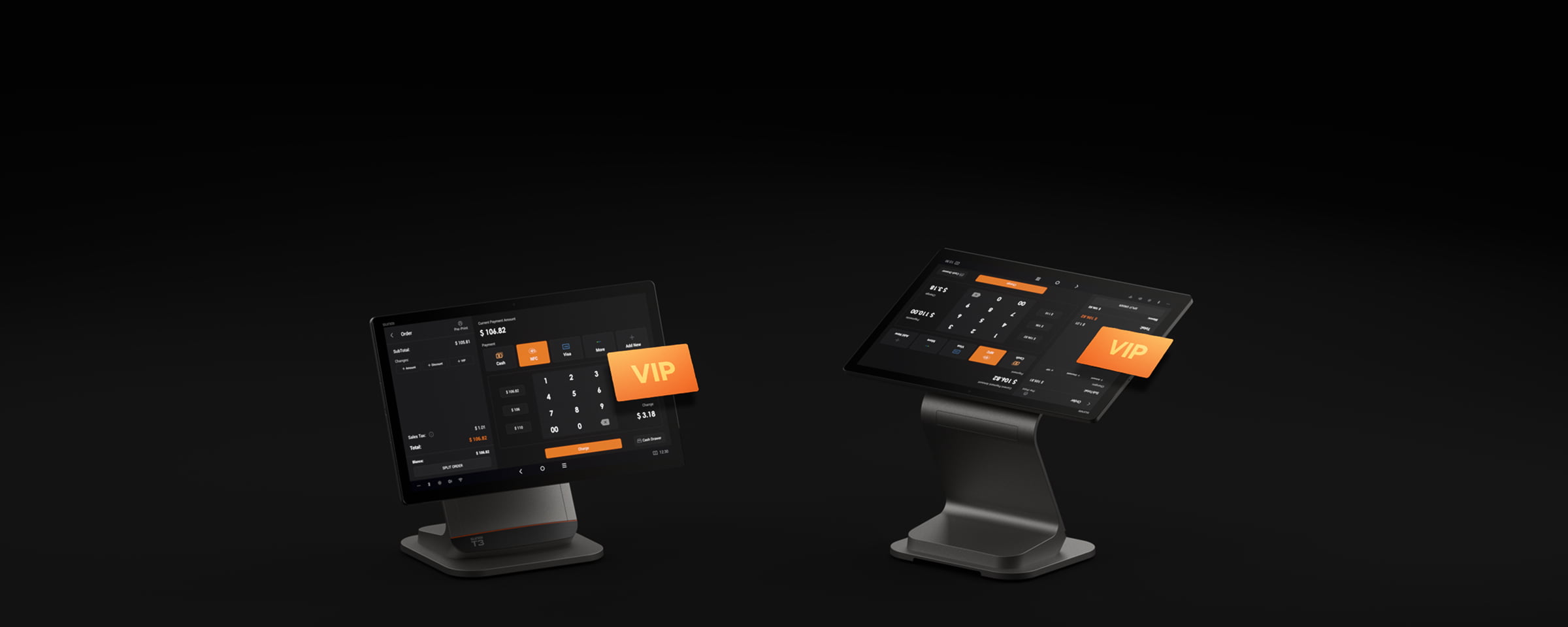
Total cost of ownership: SUNMI Android POS vs proprietary hardware
Understanding POS total cost ownership is essential before investing in new hardware. Choosing a POS system involves more than comparing sticker prices. The total cost of ownership (TCO) includes hardware, software licensing, maintenance, payment processing fees, and long-term scalability. For businesses evaluating their options, understanding TCO can reveal significant savings…
-
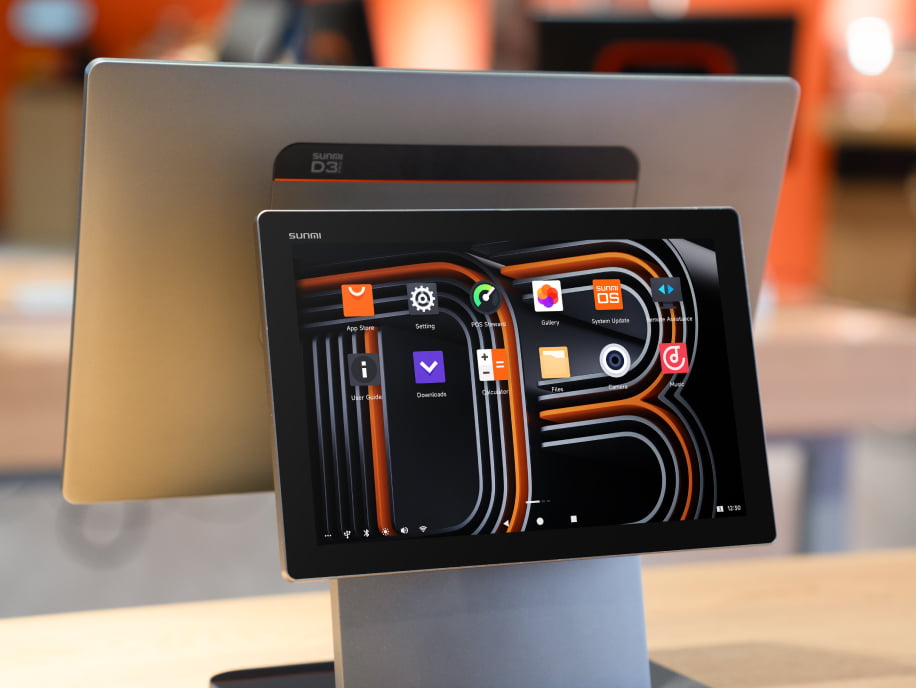
SUNMI D3 PRO vs D3 MINI: which desktop POS is right for your business
Choosing between SUNMI D3 PRO vs D3 MINI is one of the most common questions from POS buyers. SUNMI’s D3 series includes two desktop POS terminals designed for different business needs: the D3 PRO and the D3 MINI. Both run Android, both are built for commercial environments, and both offer…
-
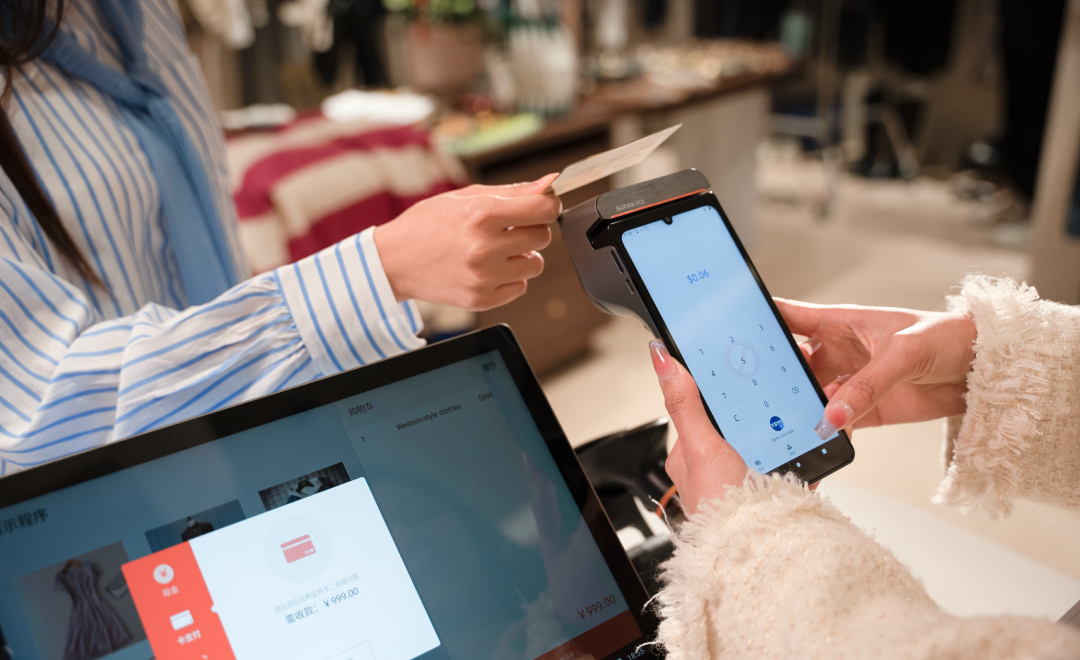
SUNMI MDM vs Esper: why you’re overpaying to manage your SUNMI devices
SUNMI MDM vs Esper: SUNMI’s native device management platform offers free system-level control over SUNMI POS hardware, including remote printer diagnostics that Esper cannot access. For businesses running SUNMI devices, switching from Esper to the built-in MDM significantly reduces costs while gaining deeper hardware integration. If you’re running Esper on…
-
Open Android POS vs locked ecosystems: what to know before you buy
The restaurant and retail technology market is split between two fundamentally different approaches: open Android hardware platforms and locked proprietary ecosystems. This choice affects everything from upfront costs and software flexibility to long-term vendor dependency and scalability. This guide explains what each model means in practice, the real-world trade-offs, and…
-
How to become a SUNMI reseller or ISV partner in North America
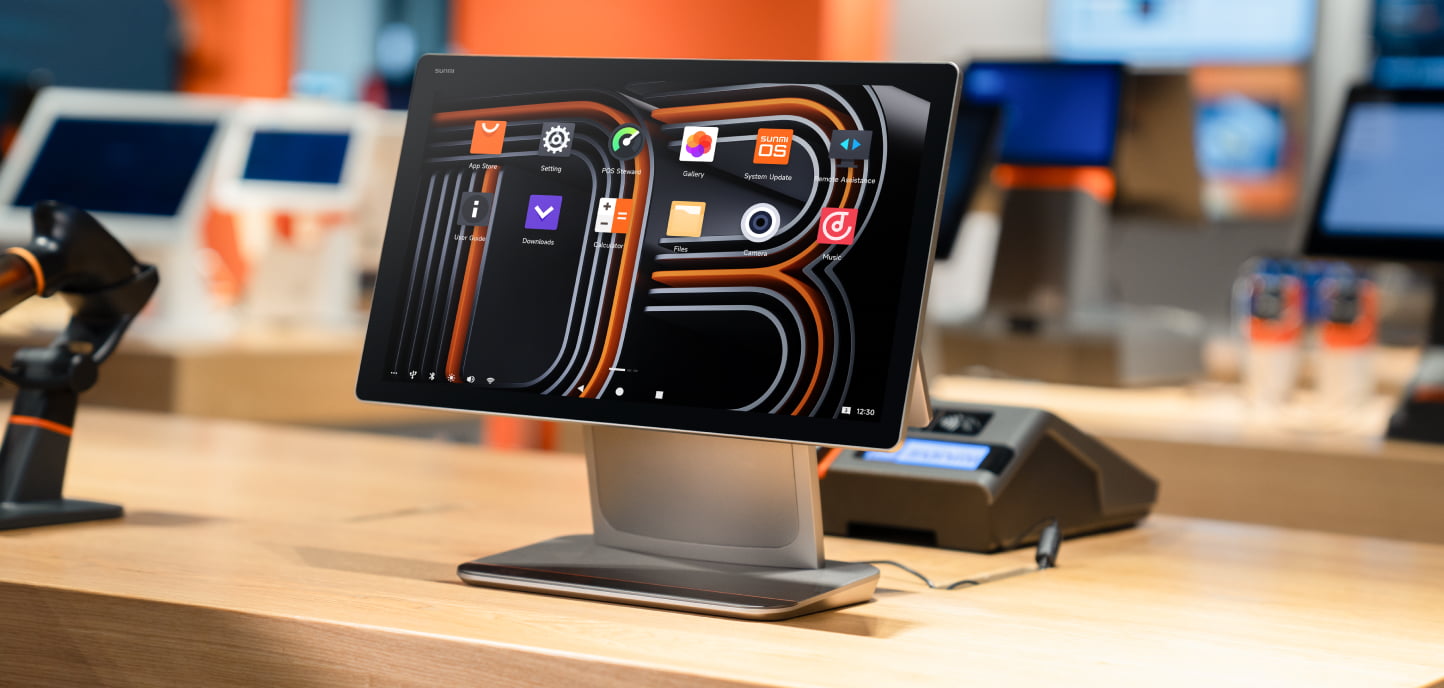
Becoming a SUNMI reseller ISV partner opens the door to a growing market. If you sell POS software or manage payment processing for merchants, partnering with a hardware distributor can streamline your supply chain and boost your margins. SUNMI, one of the fastest-growing Android smart terminal manufacturers worldwide, offers a…
-
Integrating SUNMI POS with US payment processors
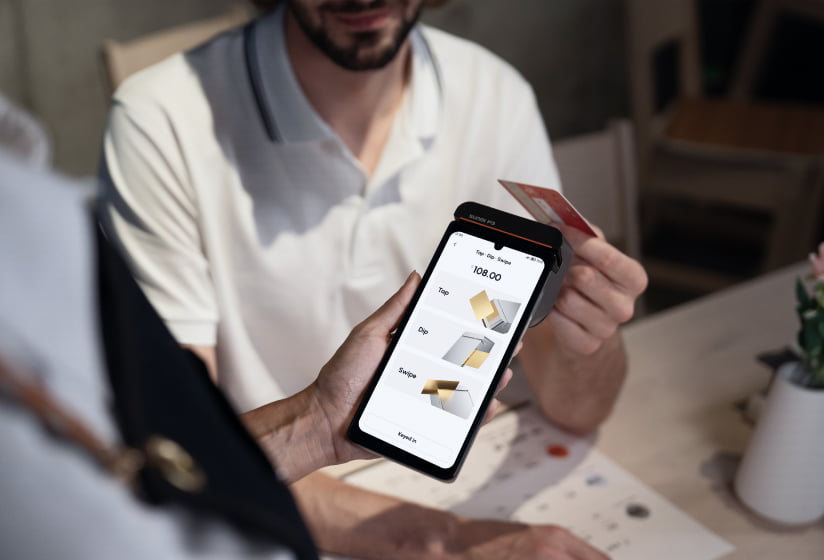
SUNMI payment processor integration gives businesses the freedom to choose any payment provider. One of the biggest advantages of open Android POS hardware is payment processor freedom. Unlike proprietary systems that lock you into a single processor, SUNMI’s Android-based terminals let you choose the payment solution that offers the best…
-

How to choose POS hardware for your restaurant in 2026
Finding the right restaurant POS hardware is one of the most important decisions for any food service business. Choosing the right POS hardware for your restaurant affects everything from order accuracy to table turnover speed. With Android-based commercial terminals now matching or exceeding the capabilities of traditional POS systems at…
-
How to integrate SUNMI hardware into your POS software platform
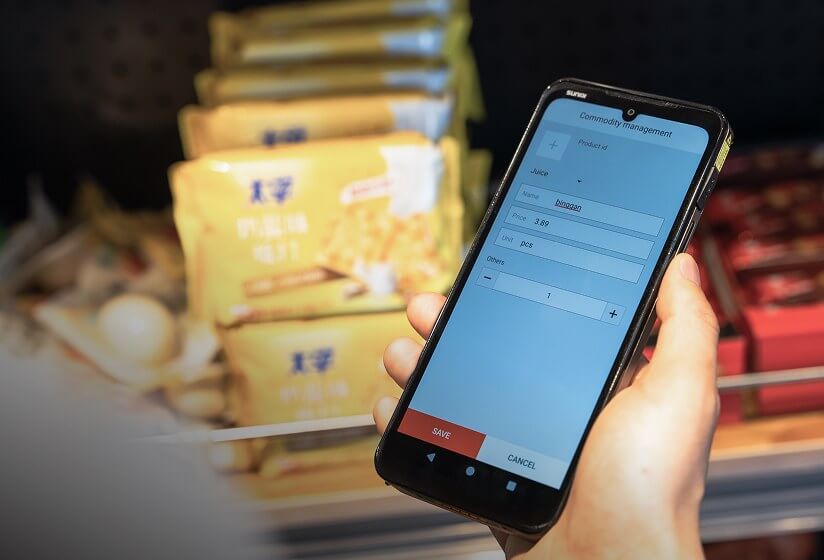
POS integration starts with the right hardware. Planning a SUNMI ISV integration for your POS software? If you develop POS software and want to run your platform on commercial-grade Android hardware, SUNMI devices are among the most widely deployed terminals globally. This guide walks ISV partners through the integration process,…