
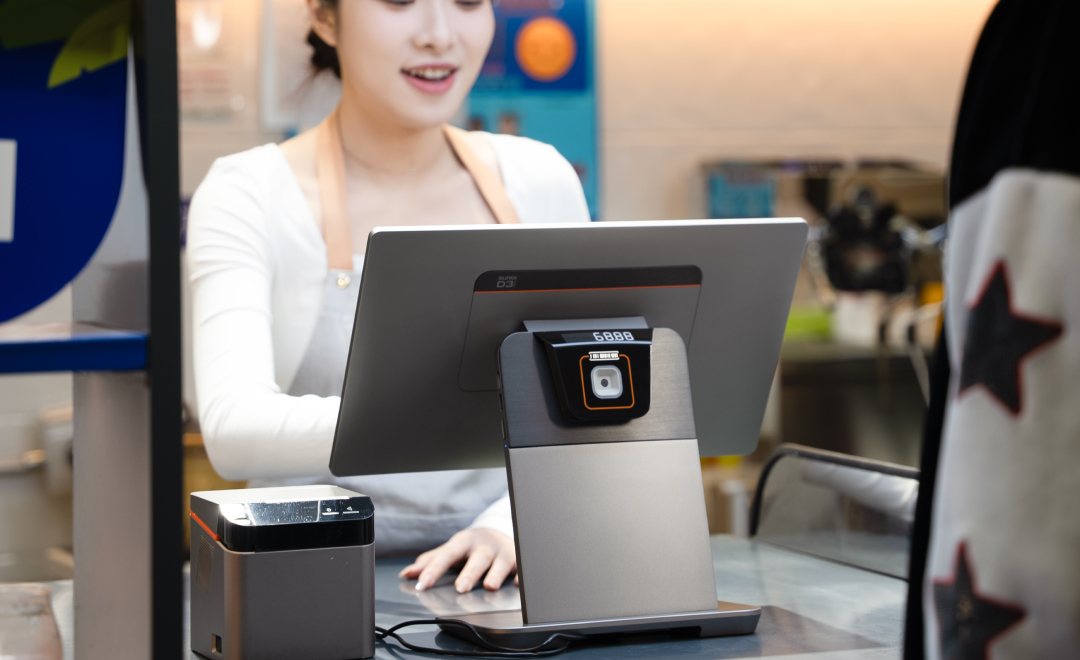
SUNMI DMP (Device Management Platform) scales fleet operations from 10 to 1,000+ Android POS terminals across North America in 2026, and Rosper provisions the DMP partner account for every NA customer at no extra cost.
SUNMI DMP, the Device Management Platform that consolidates fleet operations across SUNMI POS terminals, kiosks, payment devices, and handhelds, is the operating layer most North American chains overlook until they hit their tenth store. Once a fleet crosses ten devices and spreads across regions, the real cost is not the hardware.
It is the silent overhead of inconsistent OS images, app version drift, missed PCI patches, and locally-stored data that crosses compliance lines. This 2026 guide walks through how a fleet of 10 SUNMI devices scales to 1,000 in the United States and Canada using SUNMI DMP, with regional data residency, payment compliance, OTA updates, and cross-platform device coverage from a single dashboard.
Key takeaways
- SUNMI DMP is the new umbrella platform that unifies older TMS and MDM tooling into one dashboard, covering OS provisioning, app marketplace, OTA, device grouping, payment compliance, and remote control across Android, Windows, and iOS devices.
- Fleet management cost does not scale linearly. The pain at 10 devices is manageable with manual workflows. The pain at 100 devices forces automation. The pain at 1,000 devices requires regional data residency and zero-touch onboarding.
- Regional local cloud (LC-US on AWS for the United States, LC-EU on AWS for Europe) lets multi-region chains store device telemetry and configuration data in-region, simplifying PCI DSS, GDPR, and Canadian PIPEDA compliance.
- SUNMI DMP is included free with every SUNMI device purchased through Rosper. North American customers do not pay per-device licensing for the core management platform.
- For new store openings, cloud OS provisioning lets a SUNMI device boot up with the correct configuration, app stack, and payment certificates on first power-on, removing the need for store-by-store IT setup.
Why fleet management breaks past 10 devices
At one location with two to three SUNMI POS terminals, a manager can update apps, swap configurations, and recover failed devices by hand. There is no urgent need for a management platform because the labor cost of touch-each-device workflows is low.
Add a second location, then a third, and the manual model starts to crack. By ten devices spread across two or three sites, simple tasks like a payment app update can take a full day of windshield time.
At 100 devices, version drift becomes the dominant operational risk. Site A is running v2.3 of the POS app, Site B is on v2.4 because someone installed an update without telling head office, and Site C is stuck on v2.1 because the device lost network during the rollout.
Trouble tickets are no longer about hardware failure. They are about software inconsistency that the local manager cannot diagnose. This is where SUNMI TMS, the predecessor to DMP, was originally built to help.
At 1,000 devices, the cost surface shifts again. Data starts to fall under regional compliance regimes. Payment certificates need rotation on a schedule. New stores open weekly and cannot wait for a head-office IT engineer to drive on-site. This is the scale where SUNMI DMP, with its unified provisioning, gray release, and regional cloud architecture, becomes a precondition for growth rather than a nice-to-have.
What SUNMI DMP is and how it differs from older TMS and MDM
SUNMI DMP (Device Management Platform) is the unified successor to two earlier SUNMI product lines: SUNMI MDM (Mobile Device Management, focused on app and policy distribution) and SUNMI TMS (Terminal Management System, focused on payment device lifecycle). DMP consolidates both feature sets into a single dashboard and adds new capabilities around regional cloud, cross-platform device coverage, and zero-touch provisioning. If you are weighing this against a general purpose platform, we cover how SUNMI device management compares with a third-party MDM.
For fleets that already use SUNMI MDM through the Rosper Partner Portal, DMP is the natural upgrade path.
The same Android management surface is preserved, but DMP adds support for Windows POS terminals, iOS handhelds, and SUNMI’s full hardware catalog of payment devices, kiosks, and customer displays. For fleets that ran older SUNMI TMS specifically for payment device certificate and key management, DMP retains the PCI-certified payment lifecycle while exposing it inside the same console where store managers handle app updates and policy rollouts.
The shift from TMS or MDM to DMP is less a product replacement and more a consolidation. A North American chain that used to run two separate consoles, one for device policies and one for payment compliance, now runs both inside DMP with shared role-based access, shared audit logs, and shared API access.
Core capabilities of SUNMI DMP for fleet operations
Remote control over WAN and LAN
SUNMI DMP supports real-time remote control of any enrolled device, regardless of whether the device is on a store WLAN, a corporate LAN, or only reachable over the public internet.
A head-office support agent can take screen control of a SUNMI D3 Pro at a remote restaurant, walk a manager through a settings change, or capture device logs without flying anyone on-site. For fleets with dispersed locations across the United States and Canada, this is the single largest reduction in operational support cost.
Cloud OS provisioning for zero-touch store openings
When a new store opens, the IT team uploads the target OS image, app stack, network policy, and payment certificate set to DMP, tagged for the new site. On first power-on, the SUNMI device pulls the configuration from the cloud and is fully operational without on-site setup. For a chain opening one new location per week, this removes a recurring multi-hour task from every regional IT engineer’s calendar.
App marketplace with gray release
DMP includes a curated app marketplace with thousands of business applications certified for SUNMI hardware. Critical for fleet rollouts, the marketplace supports gray release, which lets a chain push a new app version to 5 percent of devices first, monitor for crashes or transaction failures, and then progressively widen the rollout to 25 percent, 50 percent, and 100 percent. This pattern is standard in software engineering and is now native to SUNMI fleet management.
OTA firmware updates
Over-the-air firmware updates push new OS builds, security patches, and SUNMI driver updates to enrolled devices on a schedule the chain controls. Updates can be scheduled outside business hours, gated on device idle time, and rolled back automatically if a device fails to boot. For PCI-scoped payment devices, OTA also delivers the security patches that PCI DSS mandates for in-scope endpoints.
Unified device grouping with smart rules
DMP lets operations teams group devices by region, site type (full-service restaurant, quick-service restaurant, retail), device role (front-desk POS, bar terminal, self-order kiosk), or any custom tag. Smart grouping rules can auto-assign new devices to the correct group based on enrollment metadata, so a SUNMI K2 kiosk provisioned for a Toronto restaurant lands in the correct policy bucket without manual action.
Cross-platform management across Android, Windows, and iOS
Unlike older SUNMI MDM, which only managed Android-based SUNMI devices, DMP covers cross-platform fleets. A chain running SUNMI Android POS at the front desk and a Windows-based back-office terminal in the kitchen can manage both in the same console. iOS handhelds used by front-of-house tableside staff can also be enrolled. This reduces the toolchain a chain needs to maintain from three platforms to one.
Regional data residency and compliance
Global local cloud architecture
SUNMI DMP uses a regional cloud architecture with Local Cloud instances hosted on Amazon Web Services. United States customers connect to LC-US in the AWS US region.
European customers connect to LC-EU in the AWS EU region. Device telemetry, configuration data, and audit logs stay in the regional cloud, which simplifies data residency reviews for chains subject to PCI DSS, GDPR, or Canadian PIPEDA. A Global Cloud layer above the regional instances handles cross-region operations like a US head office managing a Canadian subsidiary’s fleet.
Payment compliance for PCI-scoped devices
For fleets that include payment-accepting devices like the SUNMI V3 Mix or built-in NFC readers on POS terminals, DMP carries PCI PIN, PCI PTS, and PCI P2PE certifications relevant to payment device lifecycle management. Key rotation, certificate distribution, and device decommissioning all happen inside DMP, which means a chain does not need to bolt on a separate payment-only management tool.
Regional fleet scenarios in North America
US chains and equipment failure response
For a 200-store US chain, the dominant fleet management cost is reactive support when a payment terminal or POS fails. With DMP enrolled across the fleet, head-office IT receives a real-time alert when a device goes offline.
Remote diagnostics confirm whether the failure is software (recoverable via OTA push or remote restart) or hardware (replacement device shipped from one of the 8 Rosper warehouses with two to seven day delivery All orders ship in 2-7 business days from Rosper’s 8 warehouses across the US and Canada, and Rosper assists with warranty claims.). Mean time to recovery on software-only failures drops from a service ticket cycle to under an hour.
Canadian chains and provincial data handling
Canadian chains operating across Ontario, Quebec, British Columbia, and Alberta encounter provincial differences in personal information protection regulations layered on top of federal PIPEDA.
DMP’s data residency settings let a chain configure that telemetry and audit data stay in the AWS Canadian region, simplifying privacy compliance reviews for the head office. Canadian multi-location chain deployments pair well with DMP because the same device tagging that drives policy distribution can also drive bilingual app stacks for Quebec stores.
Cross-border North American operations
For chains operating in both the United States and Canada, DMP’s Global Cloud layer lets a single head office manage devices that are pinned to LC-US and LC-CA local clouds for compliance, while still presenting a unified dashboard for IT operations. This is the architecture pattern that drove SUNMI’s move from TMS to DMP. The earlier TMS was single-region by design. DMP is multi-region by default.
How Rosper customers access SUNMI DMP
Every SUNMI device purchased through Rosper, the authorized SUNMI distributor in the United States and Canada, comes with SUNMI DMP access included. There is no per-device licensing fee for the core management platform. Customer fleets are enrolled through the Rosper Partner Portal at the time of purchase, with devices pre-tagged to the customer’s account so the dashboard is populated on day one.
For chains migrating from competitor MDM tools like Esper, Soti, or Microsoft Intune, the Rosper deployment team handles the enrollment migration, policy translation, and group setup. Existing SUNMI customers running the older Partner Portal MDM continue to have access during the DMP rollout, with a managed migration path from the legacy console to the consolidated DMP dashboard.
For fleets that include third-party Windows POS terminals or iOS handhelds, Rosper can advise on enrollment patterns that put both SUNMI and non-SUNMI devices into the same DMP tenant, so head-office IT has one console rather than three.
Rosper is SUNMI’s authorized distributor for the United States and Canada. Our team helps buyers match SUNMI devices, compatible accessories and deployment services to the workflow, confirm exact configurations and current warehouse availability, and coordinate shipping, staging, kitting and warranty support for pilots or multi-location rollouts. Contact our sales team for configuration guidance or to check current stock.
Planning a SUNMI DMP Fleet Rollout?
Share your device count, regions, applications, policies and deployment schedule, your destination, and target date. Rosper will confirm the device fleet and DMP rollout plan, current warehouse availability, and a quote with a realistic lead time. For a multi-site deployment, include the site count and rollout schedule so we can plan staging and kitting.
Frequently asked questions
Is SUNMI DMP the same as SUNMI MDM?
SUNMI DMP is the next-generation device management platform that consolidates SUNMI MDM and SUNMI TMS into one unified dashboard. Existing SUNMI MDM users in North America are migrating to DMP, which retains all SUNMI MDM capabilities and adds cross-platform device coverage (Android, Windows, iOS), regional local cloud for data residency, and PCI-certified payment lifecycle management.
Does SUNMI DMP support non-SUNMI devices?
Yes. SUNMI DMP supports cross-platform management including Windows POS terminals and iOS handhelds in addition to the full SUNMI hardware catalog. This is one of the largest differences from older SUNMI MDM, which was Android-only. Mixed fleets can run in a single DMP tenant.
Where is SUNMI DMP data stored for North American customers?
Device telemetry, configuration data, and audit logs for North American customers are stored in regional Local Cloud instances hosted on AWS. US customers use LC-US in the AWS US region. Canadian customers can be configured to use the AWS Canadian region. Cross-region operations are handled by the Global Cloud layer without moving data out of the regional instance for primary storage.
Is SUNMI DMP free with Rosper hardware purchases?
Yes. Every SUNMI device purchased through Rosper includes SUNMI DMP access at no additional per-device licensing fee. Customer fleets are enrolled through the Rosper Partner Portal at purchase, with hardware pre-tagged to the customer account. This is one of the largest cost differences versus competitor MDM platforms like Esper or Soti, which charge per-device monthly fees.
Can SUNMI DMP handle zero-touch provisioning for new store openings?
Yes. Cloud OS provisioning lets IT upload the target OS image, app stack, network policy, and payment certificate set for a new site. On first power-on, the device pulls the configuration and is operational without on-site IT setup. This is the recommended pattern for chains opening multiple locations per month.
How does SUNMI DMP handle PCI compliance for payment devices?
SUNMI DMP carries PCI PIN, PCI PTS, and PCI P2PE certifications relevant to payment device lifecycle management. Key rotation, certificate distribution, and device decommissioning happen inside the same console used for general device management. This removes the need for a separate payment-only management tool for PCI-scoped devices like NFC-enabled POS terminals and standalone payment kiosks.
What is gray release in the DMP app marketplace?
Gray release, also called progressive rollout, lets a chain push a new app version to a small subset of devices first (typically 5 percent), monitor for failures or transaction issues, and then progressively widen the rollout. SUNMI DMP supports gray release natively in the app marketplace, which is critical for fleets of 100 or more devices where a bad app version could take down operations chain-wide.
Can SUNMI DMP manage older SUNMI devices that ran on the legacy TMS or MDM?
Yes. Existing SUNMI devices enrolled in the older Partner Portal MDM or SUNMI TMS can be migrated to DMP without re-enrollment in most cases. The Rosper deployment team handles the migration path for North American customers, including policy translation, group recreation, and a managed cutover from the legacy console.
Get started with SUNMI DMP for your North American fleet
Rosper, the authorized SUNMI distributor in the United States and Canada, includes SUNMI DMP access free with every SUNMI hardware purchase.
Whether the fleet is 10 devices in a single location or 1,000 devices across a multi-region chain, DMP delivers unified management for SUNMI POS, kiosks, payment devices, and handhelds, plus cross-platform support for Windows and iOS endpoints. Contact Rosper for a quote or learn more about SUNMI Care service plans that pair DMP with proactive fleet monitoring and on-site support.
Vendor reference: SUNMI publishes platform documentation for the device management platform on the official SUNMI DMP page.
SUNMI DMP supports Google’s Android Enterprise framework for managed Play Store, work profile, and OEMConfig – the same stack used by Microsoft Intune and VMware Workspace ONE.